













Ultimate Step-by-Step Guide to Maintaining Your Small Plastic Shredder for Optimal Performance
Ultimate Step-by-Step Guide to Maintaining Your Small Plastic Shredder for Optimal Performance
Table of Contents
- 1. Introduction to Plastic Shredder Maintenance
- 2. Understanding Your Small Plastic Shredder
- 3. Importance of Regular Maintenance
- 4. Creating a Maintenance Schedule
- 5. Step-by-Step Cleaning Process
- 6. Maintaining the Shredder Blades
- 7. Motor Care and Inspection
- 8. Troubleshooting Common Issues
- 9. When to Call a Professional
- 10. Frequently Asked Questions
- 11. Conclusion
1. Introduction to Plastic Shredder Maintenance
Maintaining a small plastic shredder is crucial for ensuring its efficiency and longevity. Whether you use it for recycling, production, or waste management, regular maintenance will enhance performance and prevent unexpected breakdowns. This guide provides a detailed approach to maintaining your shredder, ensuring it operates at peak performance.
2. Understanding Your Small Plastic Shredder
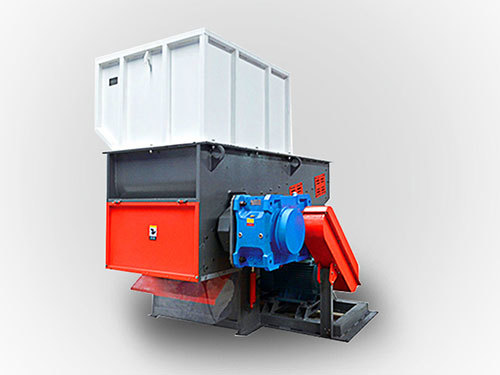
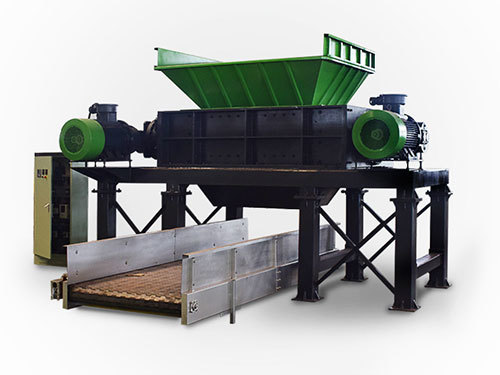
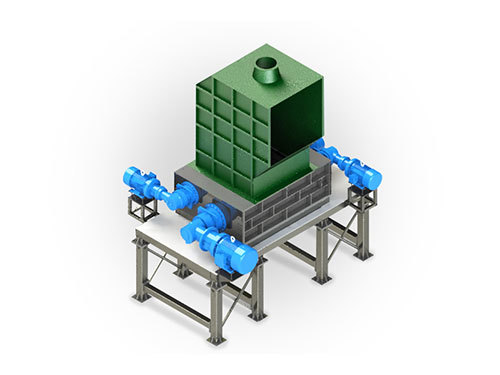
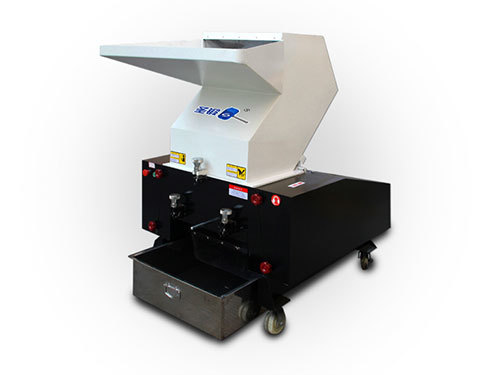
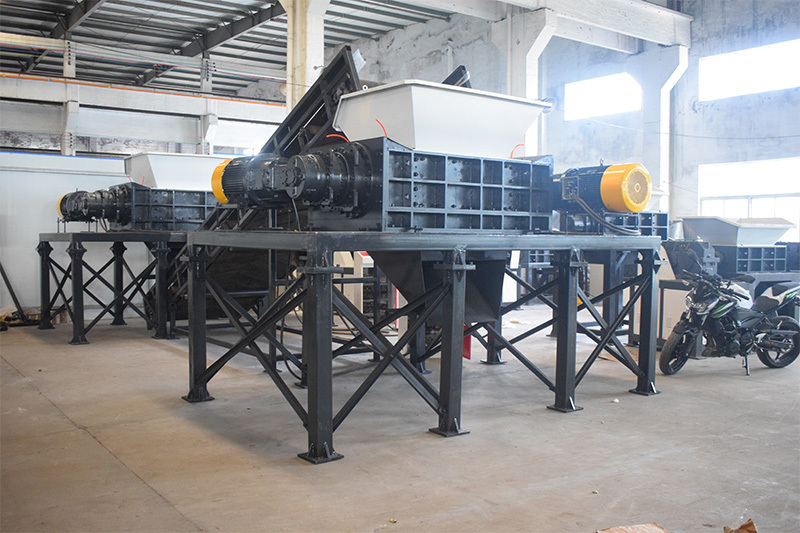
Before diving into maintenance, it’s essential to understand how your small plastic shredder works. These machines use sharp blades to cut plastic into smaller pieces, enabling easier recycling or processing. Components typically include:
- **Feeding system:** Where materials enter the shredder.
- **Blades:** Responsible for shredding the plastic.
- **Motor:** Powers the shredding action.
- **Output chute:** Where shredded material exits.
Familiarizing yourself with these parts will enhance your ability to maintain and troubleshoot your machine effectively.
3. Importance of Regular Maintenance
Regular maintenance is vital for several reasons:
- **Preventing Downtime:** Scheduled maintenance minimizes the risk of unexpected breakdowns, ensuring continuous operation.
- **Enhancing Performance:** Properly maintained machines operate more efficiently, leading to better shredding quality.
- **Extending Lifespan:** Consistent care can significantly prolong the lifespan of your shredder.
- **Cost Savings:** Preventative maintenance can help avoid costly repairs or replacements.
Committing to a maintenance routine will not only enhance the performance of your shredder but also safeguard your investment.
4. Creating a Maintenance Schedule
A well-structured maintenance schedule is essential. Here’s a suggested timeline:
- **Daily Maintenance:**
- Clean the exterior and interior of the shredder.
- Check for any unusual noises or vibrations during operation.
- **Weekly Maintenance:**
- Inspect blades for wear or damage.
- Lubricate moving parts as recommended by the manufacturer.
- **Monthly Maintenance:**
- Conduct a thorough cleaning and inspection of all components.
- Tighten bolts and screws to ensure everything is secure.
- **Bi-Annual Maintenance:**
- Replace worn-out blades if necessary.
- Check electrical connections and wiring for any signs of wear.
Creating a schedule tailored to your usage and operational conditions will ensure that your shredder remains in optimal condition.
5. Step-by-Step Cleaning Process
Keeping your shredder clean is essential for optimal performance. Follow these steps for effective cleaning:
5.1 Gather Necessary Supplies
Before you start, gather the following supplies:
- Soft cloths
- A brush (preferably a nylon bristle brush)
- Soap and warm water
- Compressed air (optional)
5.2 Unplug the Shredder
Safety first! Ensure the shredder is unplugged before cleaning.
5.3 Clean the Exterior
Use a soft cloth and mild soap solution to wipe down the exterior of the shredder. This helps remove dust and debris.
5.4 Clean the Interior
- Open the machine as per the manufacturer’s instructions.
- Use a brush to remove any plastic residue from the blades and interior surfaces.
- For stubborn debris, use a damp cloth and carefully wipe the affected areas.
5.5 Use Compressed Air
If available, use compressed air to blow out any remaining dust and debris, particularly in hard-to-reach areas.
5.6 Reassemble and Test
After cleaning, reassemble your shredder, plug it back in, and perform a quick test to ensure everything is functioning properly.
6. Maintaining the Shredder Blades
Blades are the most critical component of your plastic shredder. Proper maintenance is vital to ensure they remain sharp and effective.
6.1 Inspect Blades Regularly
Regularly check your blades for signs of wear, chips, or dullness. Ideally, this should be done during your weekly maintenance.
6.2 Sharpening Blades
If the blades are dull, you may need to sharpen them. This can often be done with a sharpening tool specific for shredder blades. If you’re unsure, consult the manufacturer or a professional.
6.3 Replacing Blades
When blades are too damaged to sharpen, replacement is necessary. Source blades from the manufacturer or authorized suppliers to ensure compatibility.
7. Motor Care and Inspection
The motor powers your shredder, and proper care is essential for its longevity.
7.1 Inspect Electrical Connections
Regularly check the electrical connections for signs of wear, fraying, or corrosion. Ensure that all connections are secure.
7.2 Lubricate Moving Parts
Refer to the manufacturer’s guidelines for lubrication recommendations. Proper lubrication reduces friction and wear on the motor’s components.
7.3 Check for Overheating
Monitor the shredder for signs of overheating during operation. If you notice excessive heat, discontinue use and inspect the machine.
8. Troubleshooting Common Issues
Even with proper maintenance, you may encounter issues. Here are some common problems and solutions:
8.1 Jamming
If the shredder jams, turn it off immediately and unplug it. Remove the material causing the jam and check the blades for damage.
8.2 Unusual Noises
Strange noises can indicate a problem with the blades or motor. Inspect both components and consider professional help if the issue persists.
8.3 Poor Shredding Quality
If the shredder is not shredding effectively, check the blades for dullness and the feeding speed. Ensure you’re not overloading the machine.
8.4 Electrical Issues
If the shredder won’t turn on, check the power source and connections. If everything seems fine, consult a professional electrician.
9. When to Call a Professional
While many maintenance tasks can be performed in-house, some situations warrant professional assistance:
- Persistent electrical issues
- Severe blade damage
- Mechanical problems beyond your expertise
Consulting a professional can save you time and prevent further damage to your shredder.
10. Frequently Asked Questions
10.1 How often should I clean my plastic shredder?
It’s best to clean your shredder after each use, with a thorough cleaning following your monthly maintenance schedule.
10.2 What tools do I need for blade maintenance?
A sharpening tool specific to shredder blades and basic hand tools like screwdrivers will be sufficient.
10.3 Can I use the shredder for materials other than plastic?
Consult the manufacturer’s guidelines. Using the shredder for inappropriate materials can void warranties or damage the machine.
10.4 How do I know when to replace the blades?
Replace blades when they show significant wear, chips, or cannot be effectively sharpened.
10.5 Is maintenance covered under warranty?
Check your warranty terms. Many warranties require regular maintenance to remain valid.
11. Conclusion
Maintaining your small plastic shredder is essential for its longevity and efficiency. By following the steps outlined in this guide, you can ensure that your shredder remains in optimal condition, reducing downtime and costly repairs. Regular inspections, cleaning, and proper care will allow your machine to serve you well for many years to come. By investing time in maintenance now, you can enjoy a reliable and efficient plastic shredding solution.
small shredder for plastic
News
Center
Contact us
Maanshan shengzhong heavy industry machinery co.,Ltd.
Address: Bowang Economic Development Zone, Bowang New District, Ma'anshan City, Anhui Province
Tel: 0555-6765308
Mobile: +8615385558866
Mobile:
Address:
Bowang Economic Development Zone, Bowang New District, Ma'anshan City, Anhui Province