











How Plastic Scrap Shredder Machines Revolutionize Material Recovery Rates
How Plastic Scrap Shredder Machines Revolutionize Material Recovery Rates
Introduction to Plastic Scrap Shredder Machines
In the evolving landscape of the manufacturing and recycling industries, **plastic scrap shredder machines** have emerged as indispensable tools that significantly enhance material recovery rates. These machines not only aid in effective waste management but also contribute to sustainability efforts by turning plastic waste into reusable material.
The Importance of Material Recovery in Today's Economy
Material recovery is crucial for economic sustainability and environmental conservation. As industries strive to minimize waste and maximize efficiency, employing advanced technologies like plastic scrap shredder machines becomes essential. This section delves into the importance of material recovery and how it aligns with global sustainability goals.
Understanding Material Recovery Rates
Material recovery rates refer to the percentage of recyclable materials that are successfully recovered from waste streams. Higher recovery rates lead to reduced landfill use, lower production costs, and minimal environmental impact. To achieve these goals, industries must adopt efficient waste processing technologies.
What Are Plastic Scrap Shredder Machines?
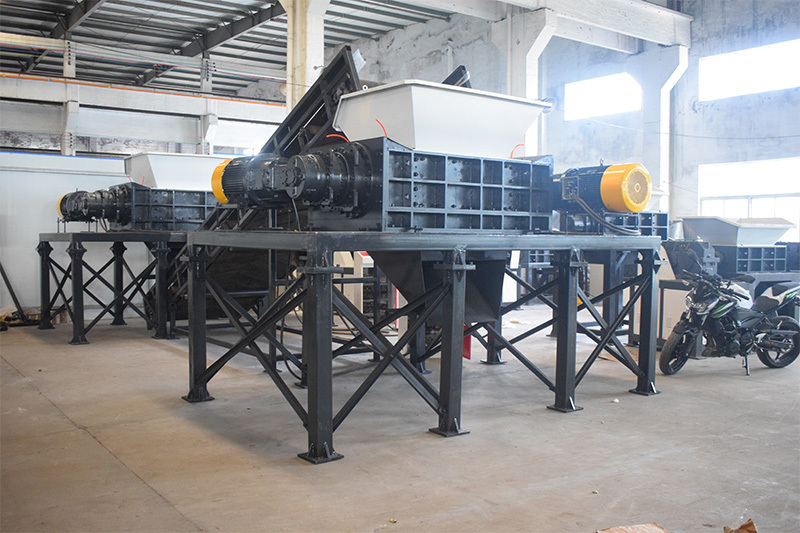
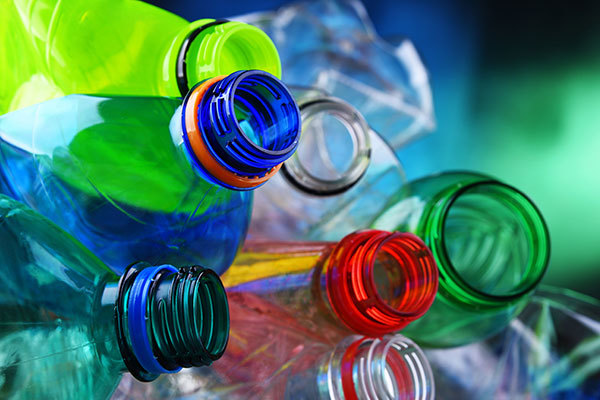
Plastic scrap shredder machines are specialized equipment designed to shred plastic waste into smaller, manageable pieces. These machines can process various types of plastics, including polyethylene (PE), polypropylene (PP), and polyvinyl chloride (PVC). By breaking down plastic scrap into smaller fragments, these machines facilitate easier handling and recycling.
Types of Shredder Machines
There are several types of plastic scrap shredders available on the market, each designed for specific applications:
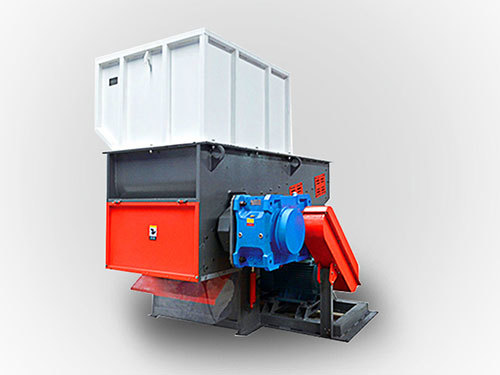
1. Single-Shaft Shredders
Single-shaft shredders utilize a single rotating blade to shred the material. They are ideal for general plastic waste and are known for their high efficiency.
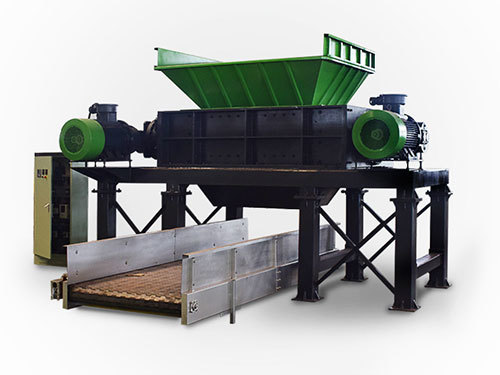
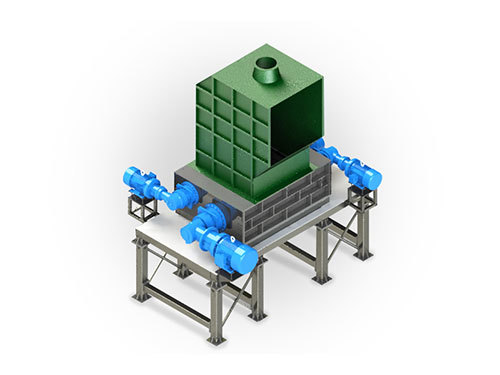
2. Twin-Shaft Shredders
Twin-shaft shredders consist of two parallel shafts that rotate in opposite directions. They are effective for tougher materials and provide a more uniform particle size.
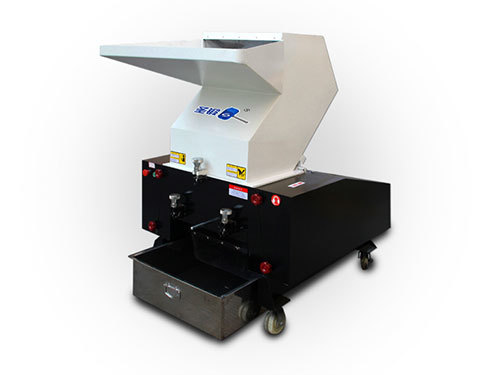
3. Granulators
Granulators are used to further reduce the size of shredded materials, producing uniform granules that are easier to process in downstream applications.
Advantages of Using Plastic Scrap Shredder Machines
The adoption of plastic scrap shredder machines offers numerous benefits that enhance material recovery rates and promote sustainable practices.
1. Increased Efficiency in Waste Processing
By breaking down larger plastic items into smaller pieces, shredder machines dramatically increase the efficiency of the recycling process. Smaller materials are easier to handle, transport, and process, leading to faster operations and reduced labor costs.
2. Enhanced Material Quality
Quality is a significant factor in recycling. Shredders can produce high-quality material by ensuring uniform particle sizes, which is essential for effective downstream processing. This uniformity improves the consistency of recycled products.
3. Reduced Landfill Contributions
By improving recovery rates, plastic scrap shredders help divert significant quantities of plastic waste from landfills. This not only conserves space but also mitigates environmental pollution associated with plastic waste.
4. Cost Savings for Manufacturers
Implementing plastic shredders can lead to substantial cost savings in waste disposal and raw material procurement. Manufacturers can reclaim valuable materials and reduce reliance on virgin plastics, leading to lower operational costs.
5. Compliance with Environmental Regulations
With increasing environmental regulations surrounding waste management, utilizing plastic scrap shredders helps companies comply with laws and guidelines while promoting a responsible corporate image.
How Plastic Scrap Shredders Work
To fully appreciate the benefits of plastic scrap shredder machines, it’s essential to understand their operational mechanics.
The Shredding Process Explained
The shredding process typically involves the following steps:
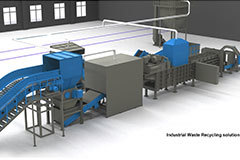
1. **Feeding**: Plastic waste is fed into the machine via a conveyor belt or manually.
2. **Shredding**: The blades rotate at high speeds, cutting the materials into smaller pieces.
3. **Screening**: Depending on the machine design, material sizes can be controlled using screens that filter out particles based on size.
4. **Collection**: The shredded material is collected in bins for further processing or recycling.
Choosing the Right Plastic Scrap Shredder Machine
Selecting the appropriate shredder machine is vital for optimizing material recovery rates. Factors to consider include:
1. Material Type and Composition
Different types of plastics require different shredding approaches. It’s crucial to choose a shredder designed for the specific materials you process.
2. Capacity and Throughput
Evaluate your operational needs and select a shredder that can handle the volume of plastic waste your facility generates.
3. Safety Features
Look for machines with robust safety features to protect operators and maintain compliance with safety regulations.
4. Maintenance Requirements
Consider the maintenance needs of the shredder. Regular maintenance ensures optimal performance and longevity.
Case Studies: Success Stories with Plastic Scrap Shredders
Numerous companies have successfully integrated plastic scrap shredders into their operations, resulting in impressive improvements in material recovery rates. Here are a few notable examples:
Case Study 1: A Leading Packaging Manufacturer
A well-known packaging company adopted a twin-shaft shredder to process scrap materials generated during production. This integration resulted in a **40% increase in material recovery rates**, leading to substantial cost savings and reduced environmental impact.
Case Study 2: A Municipal Recycling Facility
A municipal facility implemented a series of single-shaft shredders to handle collected plastic waste. The facility reported a **50% reduction in landfill contributions**, effectively increasing its recycling capacity and enhancing community sustainability efforts.
Future Trends in Plastic Scrap Shredding Technology
As industries continue to embrace sustainability, innovations in plastic scrap shredding technology are on the rise.
1. Smart Technology Integration
Incorporating smart technologies, such as IoT devices, allows for real-time monitoring and data analysis, enhancing operational efficiency and predictive maintenance.
2. Advanced Materials and Designs
Engineers are developing shredders with improved blade designs and materials, increasing durability and efficiency while reducing energy consumption.
Conclusion
The implementation of **plastic scrap shredder machines** plays a pivotal role in improving material recovery rates across various industries. By enhancing efficiency, reducing costs, and supporting sustainability, these machines are transforming waste management and recycling processes. As manufacturers continue to prioritize environmental responsibility, investing in advanced shredding technology will prove essential for achieving long-term operational and ecological goals.
FAQs
1. What types of plastics can be processed by scrap shredders?
Plastic scrap shredders can handle a wide variety of plastics, including PET, HDPE, LDPE, PVC, and PP. The specific machine type may be better suited for certain materials.
2. How does a plastic shredder improve recycling efficiency?
Plastic shredders convert large waste items into smaller, manageable pieces, making them easier to transport and process, thereby increasing overall recycling efficiency.
3. Are there any safety concerns associated with using plastic shredders?
Yes, like any industrial machinery, plastic shredders come with safety concerns. Proper training, safety equipment, and adherence to operational guidelines are essential to mitigate risks.
4. What is the average lifespan of a plastic scrap shredder?
The lifespan of a plastic scrap shredder varies based on usage, maintenance, and model, but many can last anywhere from 10 to 20 years with proper care.
5. How can I determine the right size of shredder for my needs?
Assess your waste volume, the types of materials you process, and the desired output size to determine the appropriate shredder size for your operations. Consulting with a shredder manufacturer can also provide tailored recommendations.
plastic scrap shredder machine
News
Center
Contact us
Maanshan shengzhong heavy industry machinery co.,Ltd.
Address: Bowang Economic Development Zone, Bowang New District, Ma'anshan City, Anhui Province
Tel: 0555-6765308
Mobile: +8615385558866
Mobile:
Address:
Bowang Economic Development Zone, Bowang New District, Ma'anshan City, Anhui Province