










Innovative Uses for Small Shredders in Plastic Processing: Revolutionizing Waste Management
Innovative Uses for Small Shredders in Plastic Processing
Introduction to Plastic Processing and Waste Management
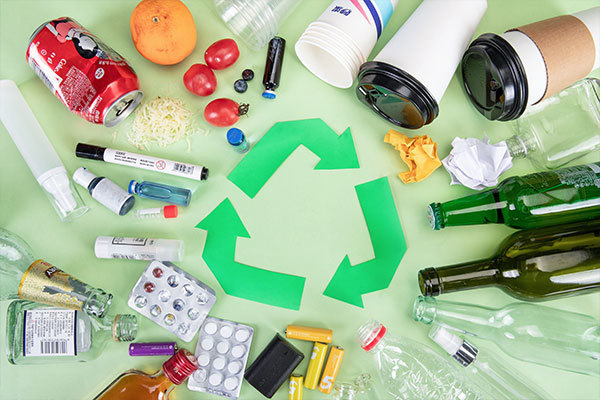
The plastic processing industry has witnessed significant advancements over the years, with an increasing focus on sustainability and resource efficiency. As plastic waste continues to pose environmental challenges, innovative solutions are more critical than ever. Among these solutions, **small shredders** play a pivotal role in revolutionizing plastic waste management. These machines not only streamline operations but also contribute to a circular economy by enabling effective recycling and resource recovery.
Understanding the Functionality of Small Shredders
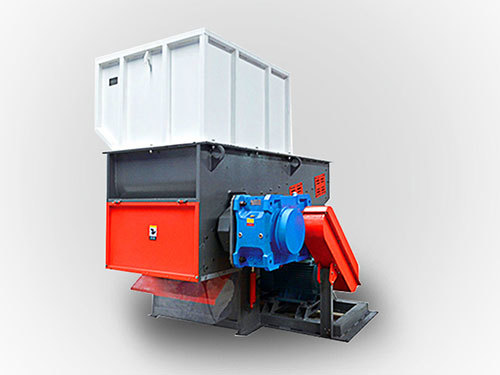
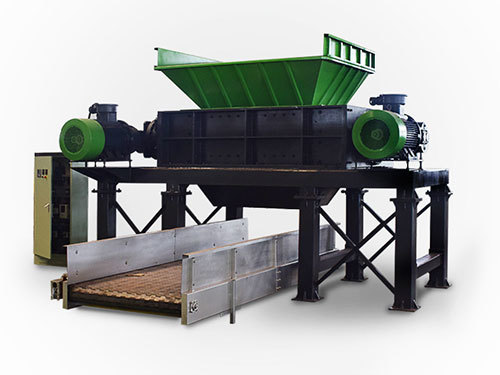
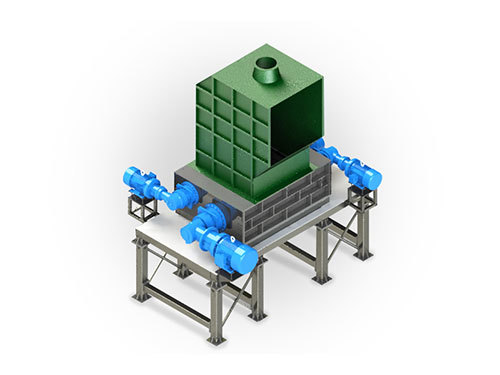
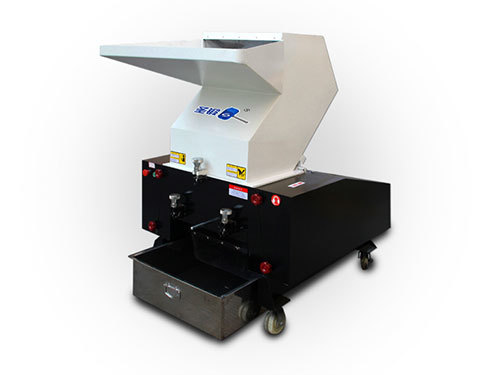
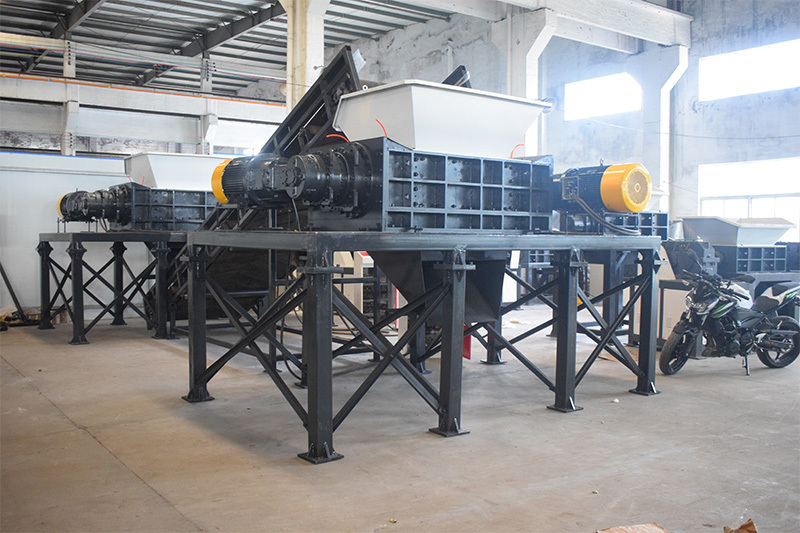
Small shredders are designed to break down plastic materials into manageable pieces, facilitating easier processing and recycling. They are equipped with sharp blades and powerful motors that can handle various types of plastics, from soft films to rigid containers. By reducing the size of plastic waste, these shredders prepare materials for further processing, whether for recycling or other applications.
Key Features of Small Shredders
Small shredders come with a range of features that enhance their usability and efficiency. Some of the key features include:
- Adjustable Blade Settings: Allows operators to customize the shred size according to specific needs.
- Durable Construction: Built to withstand the rigors of continuous operation in industrial settings.
- Low Noise Operation: Designed for quieter performance, making them suitable for various environments.
- Versatile Applications: Capable of processing different types of plastics, including PET, PVC, and polyolefins.
Innovative Applications of Small Shredders in Plastic Processing
The versatility of small shredders makes them suitable for various innovative applications in the plastic processing industry. Here are some prominent uses:
1. Efficient Recycling of Plastic Waste
One of the primary functions of small shredders is to facilitate the recycling process. By shredding plastic waste into smaller pieces, the material can be easily transported and processed in recycling facilities. This not only reduces the volume of waste sent to landfills but also provides a raw material source for producing new products, promoting a more sustainable approach to plastic use.
Enhancing Collection and Transportation
Shredded plastic occupies significantly less space than whole items, making it easier to collect and transport. This efficiency is particularly beneficial for companies looking to reduce logistics costs while maximizing their recycling efforts.
2. Production of Plastic Pellets
After shredding, plastic waste can be further processed into pellets, which are highly sought after in the manufacturing sector. Small shredders help create consistent, uniform pieces that can be melted down and molded into new products. This process not only conserves resources but also reduces the reliance on virgin materials.
Supporting the Circular Economy
The transformation of waste into usable pellets supports the circular economy model, where materials are continuously reused, thus minimizing waste and environmental impact.
3. Manufacturing of Composite Materials
Small shredders are increasingly being used to create composite materials by combining shredded plastic with other materials, such as wood fibers or metals. These composites can be used in various applications, including construction and automotive parts, offering enhanced durability and performance.
Benefits of Composite Materials
Utilizing shredded plastic in composite materials not only promotes recycling but also provides manufacturers with cost-effective and high-performance alternatives to traditional materials.
4. Development of 3D Printing Filaments
As 3D printing technology continues to evolve, small shredders play a crucial role in producing filaments from recycled plastics. By shredding plastic waste into fine particles, these machines help create high-quality filaments that can be used in 3D printers, allowing for innovative designs while reducing waste.
Advancements in 3D Printing
The ability to produce filaments from recycled materials opens up new possibilities for designers and manufacturers, encouraging a shift towards sustainable production practices.
5. Creating Eco-Friendly Products
Small shredders enable the development of various eco-friendly products made from recycled plastics. By incorporating shredded plastic into the design process, companies can produce items such as eco-friendly packaging, furniture, and consumer goods that appeal to environmentally conscious consumers.
Meeting Consumer Demand
With an increasing number of consumers seeking sustainable products, businesses that leverage small shredders to create eco-friendly items can enhance their market appeal and brand reputation.
Choosing the Right Small Shredder for Your Needs
Selecting the appropriate small shredder is crucial for maximizing efficiency and effectiveness in plastic processing. Here are some factors to consider:
1. Material Type
Different shredders are designed to handle specific types of plastics. Understanding the materials you’ll be processing will help you choose the right machine.
2. Shred Size and Configuration
Consider the desired output size and configuration. Some applications may require finer shreds, while others may benefit from larger pieces.
3. Capacity and Speed
Evaluate the volume of material you need to process and choose a shredder that can handle your requirements within the desired time frame.
4. Maintenance and Support
Opt for shredders that come with reliable customer support and easy maintenance options to ensure long-term operation without unexpected downtime.
Environmental Impact of Small Shredders in Plastic Processing
Utilizing small shredders in plastic processing significantly contributes to reducing environmental impact. By facilitating recycling and resource recovery, these machines help decrease the amount of plastic waste entering landfills and oceans, promoting a cleaner planet.
1. Reducing Landfill Waste
Shredders effectively minimize the volume of plastic waste that would otherwise contribute to overflowing landfills, thereby extending their lifespan and reducing environmental pollution.
2. Lowering Carbon Footprint
By enabling recycling and reducing reliance on virgin materials, small shredders play a vital role in lowering the carbon footprint associated with plastic production and disposal.
Cost-Effectiveness of Using Small Shredders
Investing in small shredders can lead to substantial cost savings in the long run. Here’s how:
1. Decreased Waste Disposal Costs
By shredding plastics for recycling, companies can significantly reduce waste disposal costs, as shredded materials are often cheaper to transport and process.
2. Enhanced Resource Efficiency
Producing new products from recycled materials is often less expensive than sourcing virgin materials. Small shredders enhance resource efficiency, contributing to overall savings.
Future Trends in Plastic Processing with Small Shredders
The landscape of plastic processing is continually evolving. As technology advances, we can expect several trends to shape the future of small shredders in this industry:
1. Increased Automation
The integration of automation in shredding processes can improve efficiency, reduce labor costs, and enhance safety, enabling businesses to streamline their operations further.
2. Smart Shredders with IoT Integration
The rise of the Internet of Things (IoT) will lead to smarter shredders that can monitor performance, detect maintenance needs, and optimize operation settings in real-time.
3. Greater Focus on Sustainability
As environmental concerns continue to grow, we anticipate a heightened focus on sustainable practices within the plastic processing industry, with small shredders playing a crucial role in these initiatives.
FAQs About Small Shredders in Plastic Processing
1. What types of plastics can small shredders process?
Small shredders can process a wide range of plastics, including PET, PVC, polystyrene, and polyolefins, making them versatile for various applications.
2. How do I maintain my small shredder?
Regular maintenance includes cleaning the blades, inspecting for wear, and lubricating moving parts to ensure optimal performance and longevity.
3. Can small shredders handle large volumes of plastic waste?
Yes, small shredders are available in various capacities and can be selected based on the volume of plastic waste you need to process.
4. Are small shredders environmentally friendly?
Absolutely. By facilitating recycling and reducing waste, small shredders play a significant role in promoting environmentally friendly practices in the plastic processing industry.
5. How can small shredders contribute to a circular economy?
Small shredders enable the efficient recycling of plastic waste into new products, supporting the circular economy by reducing reliance on virgin materials and minimizing waste.
Conclusion
In conclusion, small shredders are invaluable tools in the plastic processing industry, offering innovative solutions for waste management, recycling, and sustainable production. Their versatility, efficiency, and environmental benefits make them a crucial component in advancing the industry towards a more sustainable future. As technology continues to evolve, the potential for small shredders to contribute to eco-friendly practices will only grow, reinforcing their role as a cornerstone of modern plastic processing.
small shredder for plastic
News
Center
Contact us
Maanshan shengzhong heavy industry machinery co.,Ltd.
Address: Bowang Economic Development Zone, Bowang New District, Ma'anshan City, Anhui Province
Tel: 0555-6765308
Mobile: +8615385558866
Mobile:
Address:
Bowang Economic Development Zone, Bowang New District, Ma'anshan City, Anhui Province