










Choosing the Best Small Shredder for Plastic: A Comprehensive Guide
Choosing the Best Small Shredder for Plastic: A Comprehensive Guide
Table of Contents
- Introduction to Small Plastic Shredders
- Importance of Recycling Plastic
- Types of Small Shredders for Plastic
- Key Features to Look for in a Small Shredder
- Understanding Size and Capacity
- Maintenance Tips for Long-Lasting Performance
- Top Brands of Small Plastic Shredders
- Frequently Asked Questions
- Conclusion
Introduction to Small Plastic Shredders
When it comes to managing plastic waste, finding the right equipment is crucial. **Small plastic shredders** serve as essential tools for individuals and businesses looking to recycle plastic efficiently. These machines not only reduce the volume of waste but also prepare it for further recycling processes. With a plethora of options available, understanding what to look for in a small plastic shredder can enhance your recycling efforts and minimize environmental impact.
Importance of Recycling Plastic
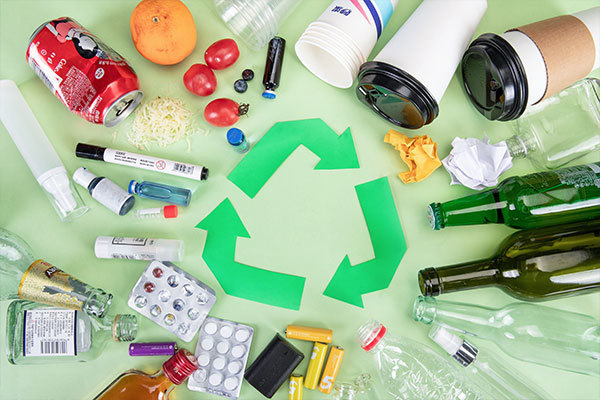
Recycling plastic is vital for several reasons. **First and foremost**, it helps conserve natural resources. By recycling plastics, we reduce the need for new raw materials, thus saving energy and reducing carbon emissions. Additionally, recycling mitigates pollution and helps keep landfills less crowded.
**Environmental Benefits**: The **production of new plastics** is energy-intensive and contributes significantly to greenhouse gas emissions. Recycling reduces these emissions, making it a critical component of sustainable living.
**Economic Advantages**: Engaging in plastic recycling can also foster economic growth. By creating a circular economy, jobs in recycling processes are generated, and businesses can save costs by reusing materials.
Types of Small Shredders for Plastic
Not all shredders are created equal, and understanding the different types available is essential for making an informed decision.
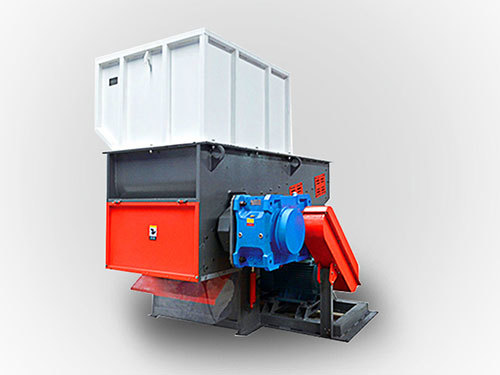
1. Single Shaft Shredders
Single shaft shredders utilize a single rotating blade to cut through plastic waste. They are versatile and suitable for a variety of materials, making them a popular choice for household and commercial use.
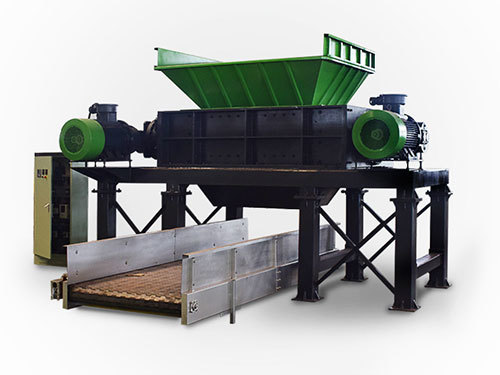
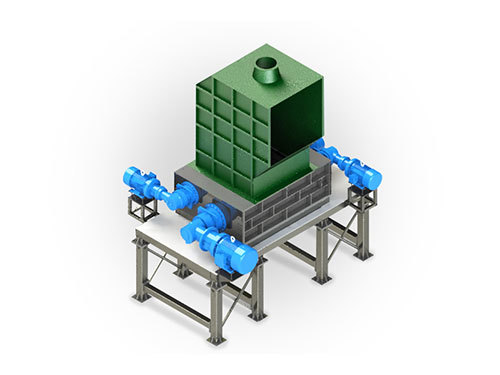
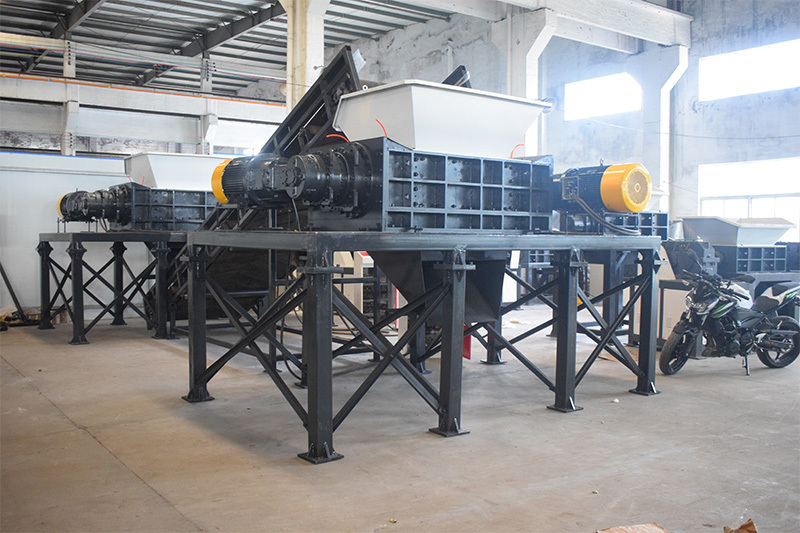
2. Dual Shaft Shredders
Dual shaft shredders feature two rotors that work in opposition to shred materials. This type is particularly effective for tougher plastics and can handle larger volumes of waste, making it ideal for industrial applications.
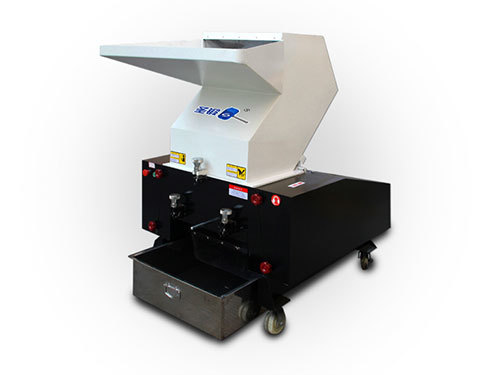
3. Granulators
Granulators are designed specifically for size reduction. They produce smaller, more uniform particle sizes, which are ideal for recycling processes that require consistency.
4. Low-Speed Shredders
These shredders operate at a lower speed, which reduces noise and dust generation. They are suitable for environments where noise reduction is a priority.
Key Features to Look for in a Small Shredder
When selecting a small shredder for plastic, several features can greatly influence your choice.
1. Cutting Mechanism
The cutting mechanism determines how efficiently the shredder can handle various types of plastic. Look for shredders that have durable blades made from high-quality materials to ensure longevity and effective operation.
2. Safety Features
Safety is paramount when operating any machinery. Opt for shredders with built-in safety features, such as automatic shut-off functions when the lid is opened or if the motor overheats.
3. Noise Level
Consider your environment and choose a shredder with acceptable noise levels. Many modern shredders are designed to operate quietly without sacrificing performance.
4. Portability
If you plan to move your shredder frequently, select a model that is compact and lightweight, possibly with wheels for easy transportation.
5. Power Consumption
Evaluate the energy efficiency of the shredder. A model with lower power consumption will save you money and have a smaller environmental footprint.
Understanding Size and Capacity
The size and capacity of your shredder directly affect its efficiency and suitability for your needs.
1. Shredder Size
Assess the space where you intend to use the shredder. Smaller models might be more convenient for home use, while larger units may be necessary for commercial operations.
2. Feed Capacity
Consider how much plastic waste you generate. Shredders with larger feed capacities can handle more waste at once, allowing for more efficient processing.
Maintenance Tips for Long-Lasting Performance
Proper maintenance of your small shredder can significantly extend its lifespan and performance.
1. Regular Cleaning
Keep the shredder clean from plastic debris and dust buildup. This ensures optimal performance and prevents mechanical issues.
2. Blade Sharpening
Regularly inspect and sharpen the blades as needed. Dull blades can slow down the shredding process and lead to increased wear on the motor.
3. Lubrication
Refer to the manufacturer’s guidelines for lubrication. Proper lubrication prevents rust and reduces friction, promoting smoother operation.
4. Inspection
Periodically check for any signs of wear or damage. Addressing issues early can prevent more significant problems down the road.
Top Brands of Small Plastic Shredders
Choosing a reputable brand can make a significant difference in performance and reliability.
1. Fellowes
Fellowes is known for its high-quality shredders that combine efficiency with user-friendly features. Their models are suitable for both home and office use.
2. amazon Basics
Amazon Basics offers budget-friendly shredders that perform well for light to moderate plastic shredding needs. Their compact designs are perfect for home use.
3. GBC
GBC shredders are designed for durability and efficiency. They offer a range of models suited for different capacities and shredding needs.
4. Bonsaii
Bonsaii shredders are known for their innovative design and powerful performance. They are a great choice for those who require a robust shredding solution.
Frequently Asked Questions
1. What types of plastic can be shredded with a small shredder?
Most small shredders can handle common plastics like PET, HDPE, and LDPE. However, always check the manufacturer's specifications for compatible materials.
2. How do I know if a shredder is powerful enough?
Power ratings, typically measured in watts or horsepower, will indicate a shredder's capability. Higher ratings generally mean better performance with tougher materials.
3. Can a small shredder handle non-plastic materials?
While some shredders may handle paper or cardboard, most are specifically designed for plastics. It’s essential to follow the manufacturer's guidelines for acceptable materials.
4. How often should I perform maintenance on my shredder?
Regular maintenance, such as cleaning and blade sharpening, should be performed every few months, or more frequently if the shredder is used heavily.
5. Are there eco-friendly shredders available?
Yes, many manufacturers are focusing on eco-friendly designs and energy-efficient models. Look for certifications that indicate sustainability.
Conclusion
Choosing the best small shredder for plastic is not just about finding a machine that shreds waste; it's about making a responsible choice that contributes to environmental sustainability. By considering the types of shredders, essential features, and maintenance practices discussed in this guide, you can select a model that meets your needs while promoting efficient recycling. Invest in a shredder that not only enhances your recycling efforts but also aligns with a sustainable lifestyle. With the right small shredder, you can effectively manage plastic waste and contribute to a cleaner, greener future.
small shredder for plastic
News
Center
Contact us
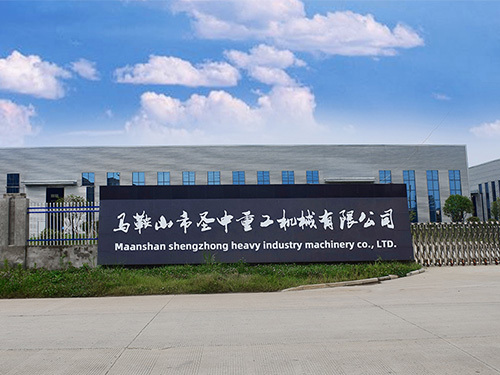
Maanshan shengzhong heavy industry machinery co.,Ltd.
Address: Bowang Economic Development Zone, Bowang New District, Ma'anshan City, Anhui Province
Tel: 0555-6765308
Mobile: +8615385558866
Mobile:
Address:
Bowang Economic Development Zone, Bowang New District, Ma'anshan City, Anhui Province