














A Comprehensive Guide to Best Practices for Operating Plastic Scrap Shredder Machines
A Comprehensive Guide to Best Practices for Operating Plastic Scrap Shredder Machines
Table of Contents
- 1. Introduction to Plastic Scrap Shredder Machines
- 2. Understanding the Technology Behind Shredders
- 3. Importance of Safety in Shredder Operations
- 4. Best Practices for Operating Plastic Scrap Shredder Machines
- 5. Essential Maintenance Tips for Longevity
- 6. Maximizing Efficiency and Performance
- 7. Recycling and Sustainability Considerations
- 8. Common FAQs About Plastic Scrap Shredder Machines
- 9. Conclusion
1. Introduction to Plastic Scrap Shredder Machines
Operating plastic scrap shredder machines effectively is vital for organizations committed to sustainability and efficient waste management. These machines play a crucial role in recycling operations by reducing plastic waste into manageable sizes for further processing. In this guide, we will delve into the best practices for operating these machines, ensuring both efficiency and safety.
2. Understanding the Technology Behind Shredders
Plastic scrap shredders utilize advanced technology to break down various types of plastics. Understanding the mechanics behind these machines can help operators enhance their performance.
2.1 Types of Plastic Scrap Shredders
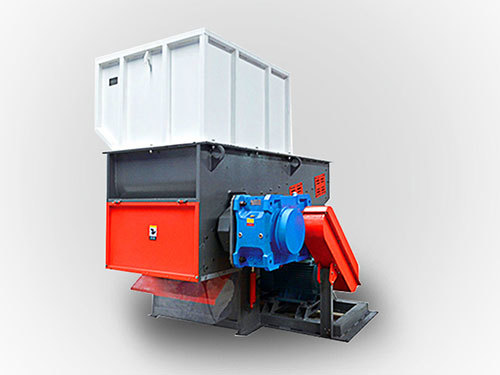
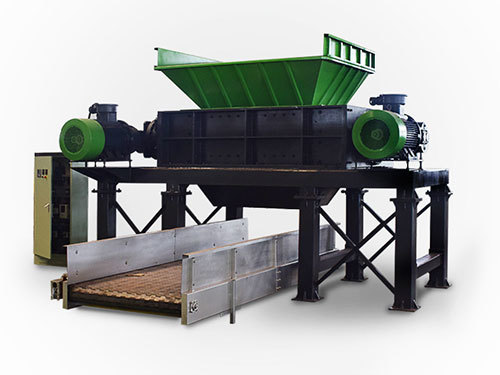
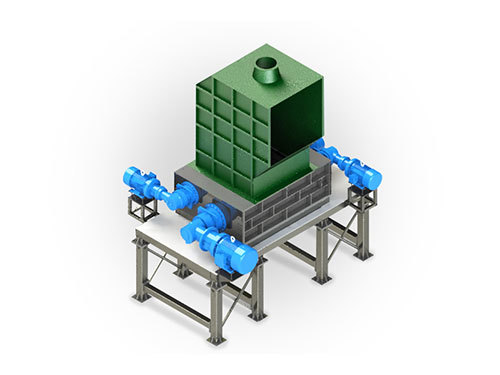
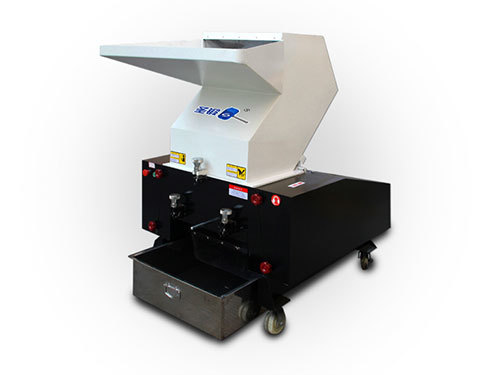
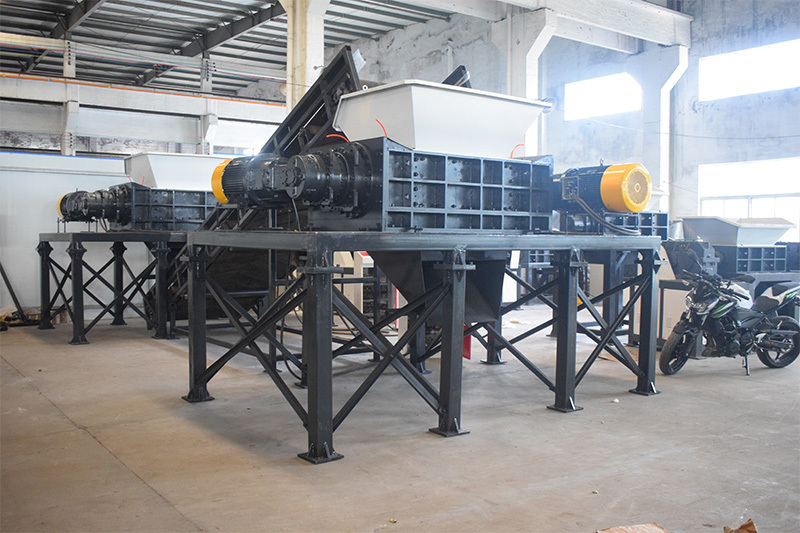
Shredders come in several configurations, including single-shaft, double-shaft, and granulator models. Each type has unique benefits:
- **Single-Shaft Shredders**: Ideal for shredding soft and flexible materials.
- **Double-Shaft Shredders**: Perfect for tougher plastics, offering more versatility.
- **Granulators**: Designed specifically for producing smaller granules for recycling.
2.2 Key Components of Shredders
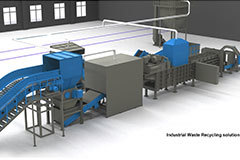
Familiarizing yourself with key components such as the blades, motors, and control systems is crucial. Knowing how each part contributes to the overall functionality can help you troubleshoot issues quickly.
3. Importance of Safety in Shredder Operations
Safety should always be a top priority when operating plastic scrap shredders. These machines can pose potential hazards, including knife injuries and mechanical failures.
3.1 Implementing Safety Protocols
Establishing clear safety protocols is essential for every operation. This includes:
- **Personal Protective Equipment (PPE)**: Ensure all operators wear appropriate gear including gloves, goggles, and ear protection.
- **Emergency Shutdown Procedures**: Operators should be trained in emergency procedures, ensuring a quick response in case of malfunction.
3.2 Training and Education
Regular training sessions for all staff members on how to operate the shredders safely will minimize risks and enhance overall productivity.
4. Best Practices for Operating Plastic Scrap Shredder Machines
Successful operation of plastic scrap shredder machines depends on adhering to best practices that maximize efficiency and reduce downtime.
4.1 Pre-Operational Checks
Before starting any shredder, conduct a thorough inspection:
- **Check Blade Condition**: Ensure blades are sharp and free from damage.
- **Inspect Electrical Components**: Look for frayed wires or loose connections.
4.2 Loading Materials Correctly
Proper loading techniques can significantly impact shredding efficiency:
- **Avoid Overloading**: Respect the machine's capacity to prevent jams and mechanical failures.
- **Sort Materials**: Separate different types of plastics to improve the shredding process and final product quality.
4.3 Operating Techniques
- **Monitor Feed Rate**: Adjust the feed rate based on the type of plastic being shredded.
- **Keep the Area Clear**: Ensure the workspace is free of clutter to prevent accidents.
5. Essential Maintenance Tips for Longevity
Regular maintenance extends the life of your plastic scrap shredder machine and keeps it running at peak performance.
5.1 Scheduled Maintenance
Create a maintenance schedule to keep the machine in optimal condition:
- **Blade Sharpening**: Schedule regular sharpening to maintain cutting efficiency.
- **Lubrication**: Keep moving parts lubricated to reduce friction and wear.
5.2 Regular Inspections
Conduct weekly inspections to identify any potential issues before they escalate into major problems.
6. Maximizing Efficiency and Performance
Maximizing the efficiency of your plastic scrap shredder involves optimizing various operational aspects.
6.1 Calibration and Adjustments
Regularly calibrate the machine to ensure it operates at the correct settings for the specific materials being processed.
6.2 Monitoring Output Quality
Evaluate the output regularly to ensure it meets quality standards. This involves checking the size and consistency of the shredded material.
7. Recycling and Sustainability Considerations
Plastic scrap shredders contribute significantly to recycling efforts, promoting sustainability and environmental responsibility.
7.1 Understanding the Recycling Process
Familiarize yourself with the steps following shredding, such as washing, melting, and reforming materials into new products.
7.2 Promoting Sustainability
Implement practices that not only minimize waste but also educate staff on the importance of recycling and sustainability in the workplace.
8. Common FAQs About Plastic Scrap Shredder Machines
8.1 What types of plastic can be shredded?
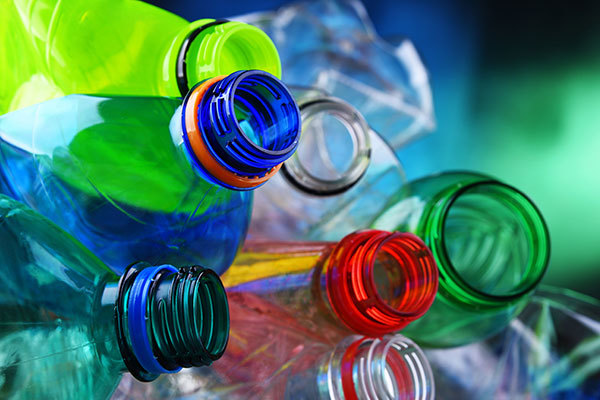
Most plastic scrap shredders can handle a variety of plastics, including PET, HDPE, and PVC. However, it’s crucial to check the manufacturer's specifications.
8.2 How often should the blades be sharpened?
Blade sharpening frequency depends on usage but typically every 100-200 hours of operation is advisable.
8.3 What should I do if my shredder jams?
Immediately stop the machine, disconnect it from power, and carefully remove any obstructions according to the manufacturer’s guidelines.
8.4 Can I shred mixed plastics?
While it’s possible to shred mixed plastics, it’s best to separate them for optimal processing quality.
8.5 What safety equipment do I need while operating a shredder?
Operators should wear gloves, safety glasses, and ear protection to mitigate risks while operating shredders.
9. Conclusion
Operating plastic scrap shredder machines effectively requires a combination of knowledge, best practices, and adherence to safety protocols. By following the guidelines outlined in this comprehensive guide, operators can enhance their productivity, ensure safety, and contribute to a more sustainable future through effective waste management. Understanding the technology, performing regular maintenance, and prioritizing safety will not only extend the life of the shredders but also maximize their efficiency for years to come.
plastic scrap shredder machine
News
Center
Contact us
Maanshan shengzhong heavy industry machinery co.,Ltd.
Address: Bowang Economic Development Zone, Bowang New District, Ma'anshan City, Anhui Province
Tel: 0555-6765308
Mobile: +8615385558866
Mobile:
Address:
Bowang Economic Development Zone, Bowang New District, Ma'anshan City, Anhui Province