














Efficiency Redefined: Harnessing the Power of Small Dual Shaft Shredders in Manufacturing
Efficiency Redefined: Harnessing the Power of Small Dual Shaft Shredders in Manufacturing
Table of Contents
1. Introduction to Small Dual Shaft Shredders
2. Understanding the Mechanism Behind Dual Shaft Shredders
3. Key Advantages of Small Dual Shaft Shredders in Manufacturing
3.1 Enhanced Material Handling
3.2 Space-Saving Design
3.3 Energy Efficiency
4. Applications of Small Dual Shaft Shredders
4.1 Waste Management
4.2 Recycling Processes
4.3 Industrial Manufacturing
5. Selecting the Right Small Dual Shaft Shredder for Your Needs
5.1 Factors to Consider
5.2 Popular Models in the Market
6. Maintenance Tips for Optimal Performance
7. Future Trends in Shredding Technology
8. Frequently Asked Questions (FAQs)
9. Conclusion
1. Introduction to Small Dual Shaft Shredders
In the fast-paced world of manufacturing, efficiency and productivity are paramount. **Small dual shaft shredders** have emerged as a game-changer, redefined to meet the diverse needs of modern production environments. Characterized by their ability to process a wide range of materials, these shredders are versatile tools that contribute significantly to waste reduction and material management in various industries.
2. Understanding the Mechanism Behind Dual Shaft Shredders
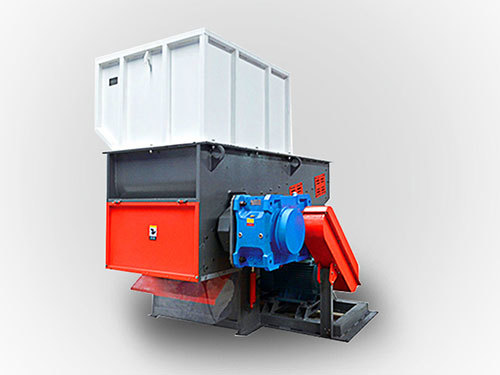
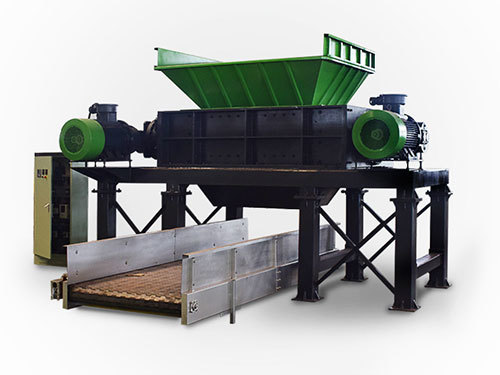
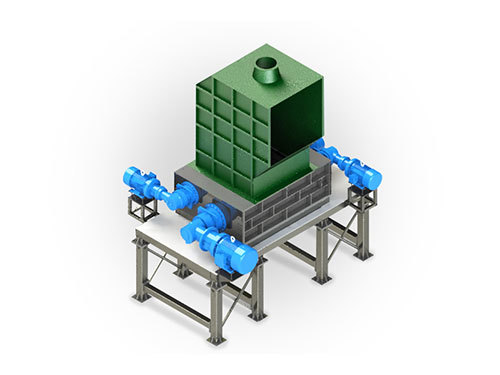
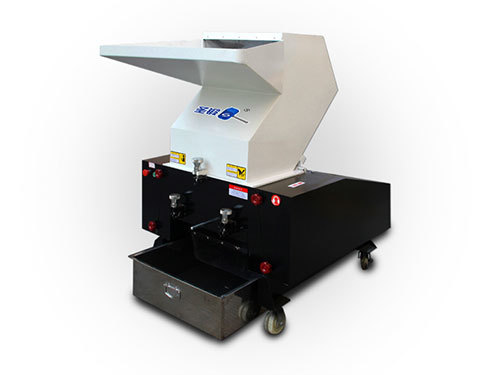
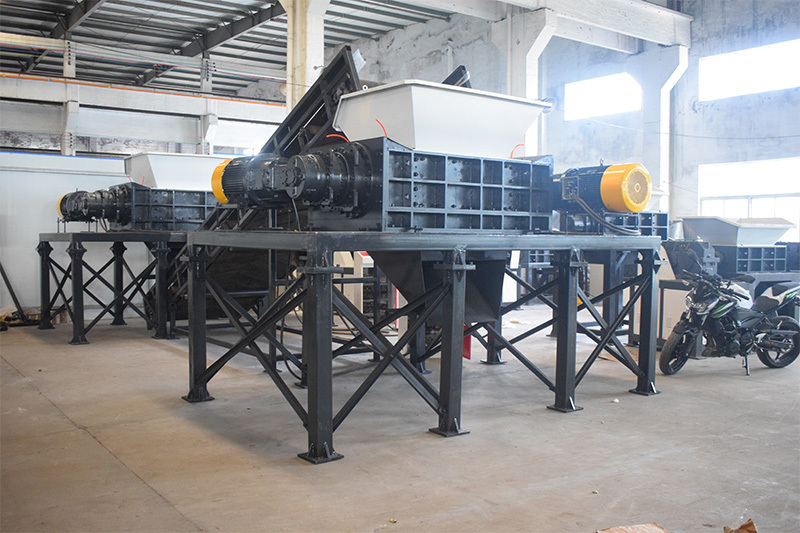
**Dual shaft shredders** operate using two parallel shafts equipped with sharp blades. These shafts rotate in opposite directions, effectively tearing and shredding materials as they pass through. This mechanism not only enhances the shredding process but also minimizes the risk of jamming and overheating, common issues associated with single-shaft shredders.
The design allows for a consistent and uniform output size, crucial for processes such as recycling and waste management. By adjusting the blade spacing, manufacturers can achieve different sizes and shapes of shredded materials, providing flexibility in operations.
3. Key Advantages of Small Dual Shaft Shredders in Manufacturing
There are numerous advantages to incorporating small dual shaft shredders into manufacturing processes. These benefits extend beyond mere shredding, impacting overall efficiency and productivity.
3.1 Enhanced Material Handling
Small dual shaft shredders simplify material handling by breaking down larger items into manageable sizes. This not only facilitates easier transportation and processing but also ensures safety in the workplace by reducing the risk associated with handling bulky materials.
3.2 Space-Saving Design
Manufacturing facilities often face spatial constraints. The compact nature of small dual shaft shredders allows them to fit into tight spaces without compromising functionality. This efficient use of space can lead to better workflow and organization within the manufacturing environment.
3.3 Energy Efficiency
Energy costs can significantly impact the bottom line in manufacturing. Small dual shaft shredders are designed to operate efficiently, consuming less energy compared to larger, bulkier shredding machines. This efficiency contributes to cost savings while also minimizing the environmental footprint of manufacturing operations.
4. Applications of Small Dual Shaft Shredders
The adaptability of small dual shaft shredders makes them suitable for a variety of applications across different industries.
4.1 Waste Management
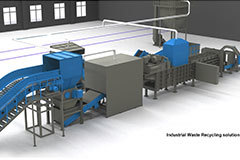
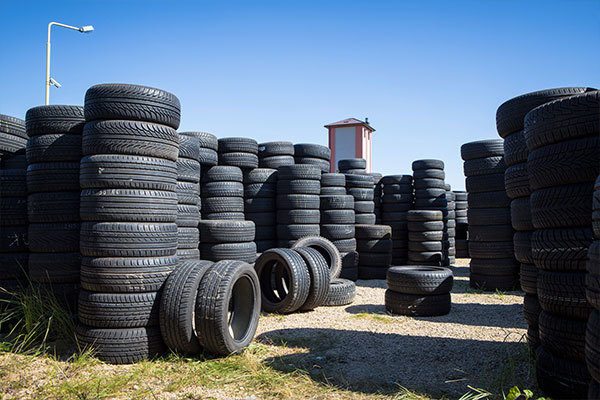
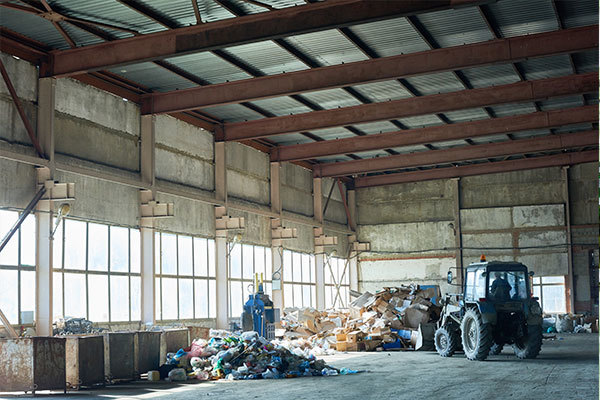
In waste management, these shredders play a crucial role in processing municipal solid waste, construction debris, and industrial waste. By breaking down materials into smaller pieces, manufacturers can streamline recycling processes and reduce the volume of waste sent to landfills.
4.2 Recycling Processes
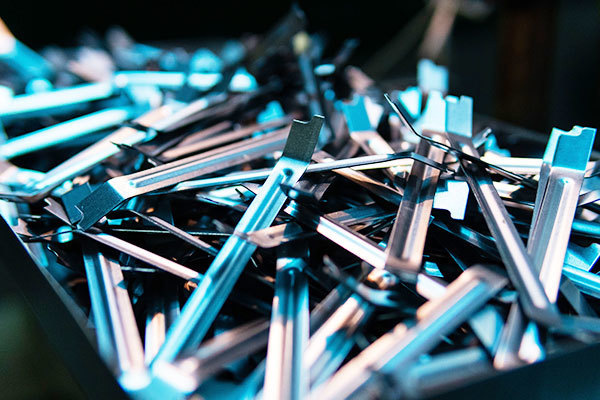
Small dual shaft shredders are instrumental in recycling operations, enabling the efficient processing of plastics, metals, and paper. By shredding materials to uniform sizes, these machines enhance the quality of recycled products and improve their marketability.
4.3 Industrial Manufacturing
In industrial manufacturing, small dual shaft shredders are used to process various raw materials and by-products. This can include shredding rubber, textiles, or other composites, transforming them into reusable materials that can be reintegrated into production lines.
5. Selecting the Right Small Dual Shaft Shredder for Your Needs
Choosing the appropriate small dual shaft shredder involves several considerations to ensure it meets the specific requirements of your manufacturing process.
5.1 Factors to Consider
When selecting a shredder, consider the following factors:
- **Material Type**: Different shredders are optimized for various materials. Understanding the type of materials you will shred is crucial.
- **Throughput Capacity**: Determine the volume of material you need to process to select a model with an appropriate capacity.
- **Blade Configuration**: The design and configuration of the blades can significantly affect shredding efficiency and output size.
- **Safety Features**: Ensure that the shredder has adequate safety mechanisms to protect operators during use.
5.2 Popular Models in the Market
Several manufacturers produce small dual shaft shredders known for their reliability and performance. Brands such as **Vecoplan**, **SSI Shredding Systems**, and **Weima** offer models designed for various industrial applications, each with unique features catering to specific shredding needs.
6. Maintenance Tips for Optimal Performance
To ensure the longevity and efficacy of small dual shaft shredders, regular maintenance is essential. Here are some maintenance tips to keep in mind:
- **Regular Inspections**: Conduct frequent inspections of blades and shafts for wear and tear.
- **Lubrication**: Maintain the lubrication of moving parts to prevent friction and overheating.
- **Cleanliness**: Keep the shredder clean to avoid buildup that could impede performance.
- **Replacement Parts**: Use OEM (original equipment manufacturer) parts for replacements to ensure compatibility and performance.
7. Future Trends in Shredding Technology
The future of shredding technology is promising, with advancements aimed at enhancing efficiency and sustainability. Innovations such as automation, AI-driven controls, and smart sensors are set to redefine how small dual shaft shredders operate. These trends will lead to improved operational efficiencies and reduce the environmental impact of manufacturing processes.
8. Frequently Asked Questions (FAQs)
What is the primary function of a small dual shaft shredder?
The primary function is to shred various materials into smaller, manageable pieces for recycling or waste management.
Can small dual shaft shredders handle metals?
Yes, many models are designed specifically to shred metals along with other materials.
How do I choose the right shredder for my facility?
Consider factors such as material type, throughput capacity, and blade configuration when selecting a shredder.
What maintenance is required for dual shaft shredders?
Regular inspections, lubrication, and cleanliness are essential for optimal performance.
Are small dual shaft shredders energy-efficient?
Yes, they typically consume less energy compared to larger shredders, contributing to cost savings.
9. Conclusion
In conclusion, **small dual shaft shredders** have revolutionized manufacturing efficiency, offering unparalleled versatility and functionality. Their unique design not only enhances material processing but also contributes to sustainability efforts across various industries. By understanding their mechanisms, benefits, and applications, manufacturers can make informed decisions that align with their operational goals. The future of shredding technology promises further advancements, ensuring that small dual shaft shredders will remain integral to efficient manufacturing processes.
small dual shaft shredder
News
Center
Contact us
Maanshan shengzhong heavy industry machinery co.,Ltd.
Address: Bowang Economic Development Zone, Bowang New District, Ma'anshan City, Anhui Province
Tel: 0555-6765308
Mobile: +8615385558866
Mobile:
Address:
Bowang Economic Development Zone, Bowang New District, Ma'anshan City, Anhui Province