











Revolutionizing Recycling: The Role of Waste Plastic Crushers
Revolutionizing Recycling: The Role of Waste Plastic Crushers
Table of Contents
1. Introduction to Waste Plastic Crushers
2. Understanding the Plastic Pollution Crisis
3. The Functionality of Waste Plastic Crushers
3.1 Types of Waste Plastic Crushers
3.2 How Waste Plastic Crushers Work
4. Benefits of Using Waste Plastic Crushers
4.1 Environmental Impact
4.2 Economic Advantages
5. Best Practices for Implementing Waste Plastic Crushers
5.1 Choosing the Right Crusher
5.2 Maintenance Tips for Longevity
6. Case Studies: Successful Implementations
7. Future Trends in Plastic Recycling Technology
8. FAQs about Waste Plastic Crushers
9. Conclusion
1. Introduction to Waste Plastic Crushers
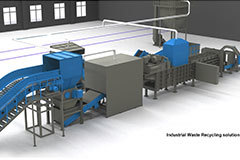
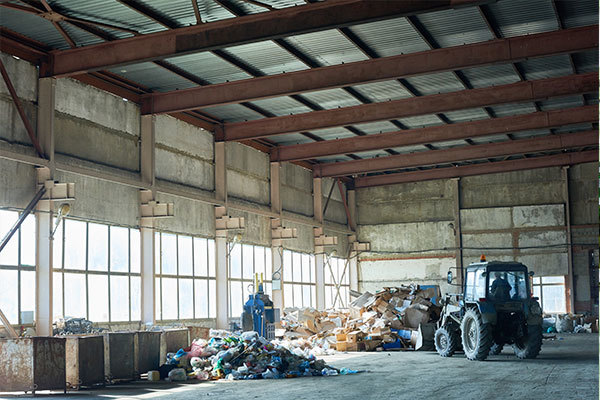
In the modern world, plastic waste management has become a pressing challenge. **Waste plastic crushers** play a pivotal role in addressing this issue. These machines are designed to reduce plastic waste into manageable sizes, thus facilitating the recycling process. By transforming large volumes of discarded plastics into smaller pieces, waste plastic crushers make it easier for recyclers to process and repurpose materials, contributing to a circular economy.
2. Understanding the Plastic Pollution Crisis
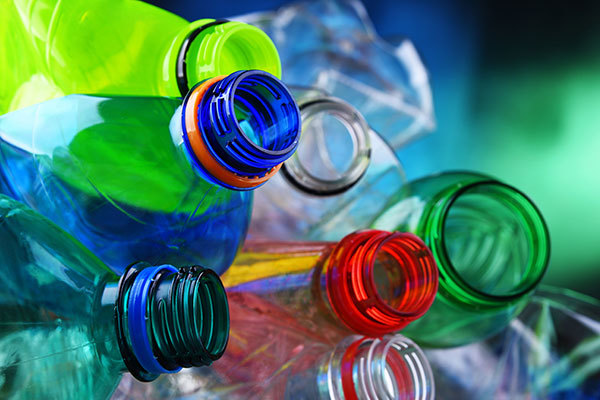
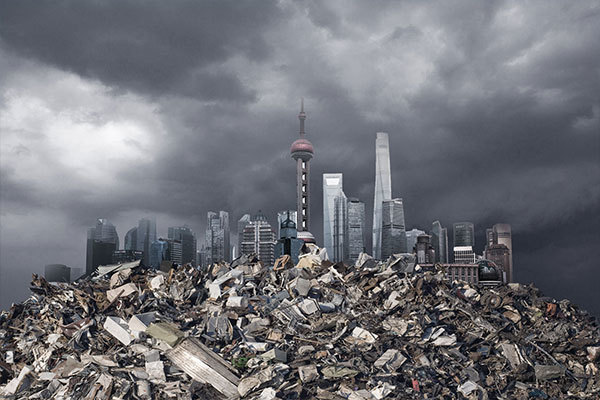
The plastic pollution crisis is one of the most critical environmental challenges today. Approximately **300 million tons of plastic** are produced globally each year, with a staggering percentage ending up in landfills or oceans. The **harmful effects of plastic pollution** not only threaten marine life and ecosystems but also impact human health. By employing effective recycling methods, such as utilizing waste plastic crushers, we can significantly mitigate these negative effects.
3. The Functionality of Waste Plastic Crushers
Waste plastic crushers come in various types, each designed to handle different kinds of plastic materials. Understanding their functionality is key to utilizing them effectively in recycling processes.
3.1 Types of Waste Plastic Crushers
There are several types of waste plastic crushers, including:
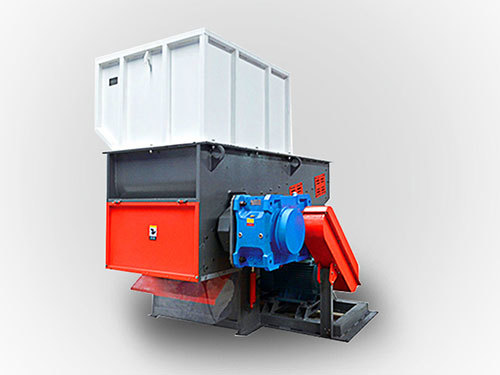
- **Single-Shaft Crushers**: Ideal for processing large pieces of plastic, these crushers use a single rotating shaft to shred materials. They are highly efficient and versatile, suitable for various plastic types.
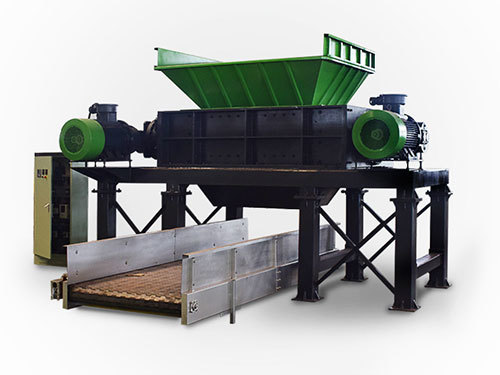
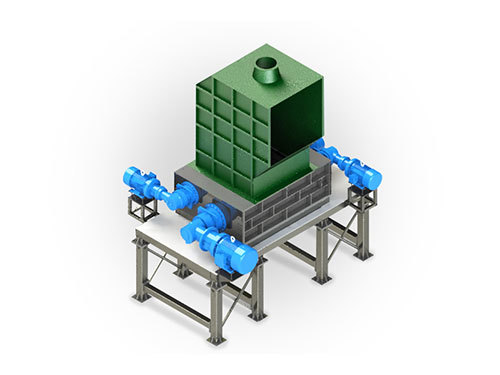
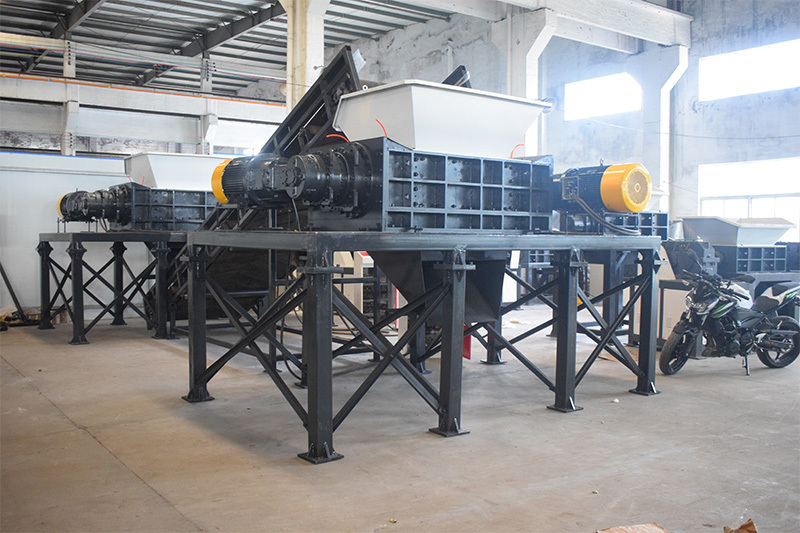
- **Double-Shaft Crushers**: These machines feature two shafts that rotate in opposite directions, providing a more aggressive shredding action. They are particularly useful for tougher materials.
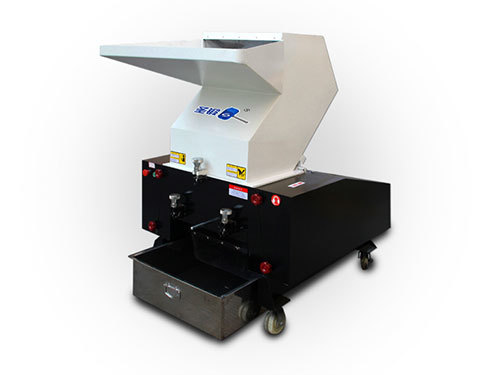
- **Granulators**: Designed to produce smaller plastic granules, granulators are excellent for recycling operations focused on creating reusable plastic pellets.
3.2 How Waste Plastic Crushers Work
The operation of waste plastic crushers typically involves several key steps:
1. **Feeding**: Plastic waste is fed into the crusher, either manually or through automated systems.
2. **Shredding**: The machine's blades shred the plastic into smaller pieces. This reduces the volume of waste and prepares it for further processing.
3. **Discharge**: The crushed plastic is discharged from the machine and can be collected for recycling or further treatment.
By effectively breaking down plastic waste, these crushers enable easier handling and processing in recycling facilities.
4. Benefits of Using Waste Plastic Crushers
Investing in waste plastic crushers yields numerous benefits for recycling operations and the environment alike.
4.1 Environmental Impact
The environmental benefits of using waste plastic crushers are significant:
- **Reduction of Landfill Waste**: By processing plastic waste efficiently, we can reduce the volume of materials sent to landfills, thus conserving space and resources.
- **Lower Carbon Footprint**: Recycling plastics consumes less energy compared to producing new plastics, leading to lower greenhouse gas emissions.
- **Conservation of Resources**: Recycling reduces the need for virgin materials, helping preserve natural resources and reducing energy consumption.
4.2 Economic Advantages
The economic benefits of waste plastic crushers include:
- **Cost Savings**: Efficient waste management reduces disposal costs and can lead to significant savings for businesses and municipalities.
- **Job Creation**: The recycling industry is labor-intensive, and as demand for recycling services grows, so does the need for skilled workers.
- **Market Opportunities**: Recycled plastics have high demand in various industries, creating new revenue streams for businesses that invest in recycling technologies.
5. Best Practices for Implementing Waste Plastic Crushers
To maximize the effectiveness of waste plastic crushers, organizations should adhere to best practices during implementation.
5.1 Choosing the Right Crusher
Selecting the appropriate crusher is crucial for efficiency. Consider the following factors:
- **Type of Plastics**: Assess the types of plastics you will be processing and choose a machine that can handle those materials effectively.
- **Capacity Requirements**: Determine the volume of plastic waste you handle daily to select a crusher with the right capacity.
- **Budget**: Invest in high-quality equipment that meets your needs while aligning with your budget.
5.2 Maintenance Tips for Longevity
Proper maintenance ensures the longevity of waste plastic crushers:
- **Regular Inspections**: Conduct routine inspections to identify wear and tear on blades and mechanical components.
- **Lubrication**: Keep all moving parts well-lubricated to prevent friction and overheating.
- **Cleaning**: Regularly clean the machine to prevent material buildup and maintain optimal performance.
6. Case Studies: Successful Implementations
Several organizations have successfully implemented waste plastic crushers to enhance their recycling efforts. For instance, a municipality in California introduced a waste plastic crushing program that significantly increased its recycling rates while reducing landfill contributions. This initiative not only improved the local environment but also created new jobs and strengthened community involvement in sustainability efforts.
7. Future Trends in Plastic Recycling Technology
As technology advances, the future of plastic recycling looks promising. Emerging trends include:
- **Smart Crushers**: Incorporating IoT technology for real-time monitoring and maintenance alerts can enhance the efficiency of waste plastic crushers.
- **Biodegradable Plastics**: The development of biodegradable plastics may change the dynamics of plastic waste management, requiring innovative recycling solutions.
- **Enhanced Sorting Technologies**: Improved sorting systems will increase the quality of recycled materials, further driving the demand for waste plastic crushers.
8. FAQs about Waste Plastic Crushers
**Q1: What types of plastics can waste plastic crushers process?**
A1: Waste plastic crushers are designed to handle various types of plastics, including PET, HDPE, PVC, and more. The specific type of crusher will determine the range of materials it can efficiently process.
**Q2: How do I choose the best waste plastic crusher for my facility?**
A2: Consider factors such as the types of plastics you will process, your facility's capacity requirements, and your budget. Research different models and manufacturers to find a machine that fits your needs.
**Q3: What is the maintenance schedule for a waste plastic crusher?**
A3: Regular maintenance should include daily inspections, lubrication of moving parts, and thorough cleaning. Additionally, perform detailed inspections and blade replacements as needed.
**Q4: Can waste plastic crushers help reduce operational costs?**
A4: Yes, by improving the efficiency of waste processing, reducing landfill fees, and creating valuable recycled materials, waste plastic crushers can lead to significant cost savings.
**Q5: Are there grants or financial assistance available for investing in waste plastic crushers?**
A5: Many governments and organizations offer grants or incentives for businesses investing in sustainable practices, including recycling technologies. Research local programs to explore funding options.
9. Conclusion
Waste plastic crushers are revolutionizing the recycling industry, providing effective solutions for managing plastic waste. They not only contribute to the reduction of plastic pollution but also offer significant environmental and economic benefits. By understanding the functionality and advantages of these machines, organizations can implement best practices to enhance their recycling efforts. As we move toward a more sustainable future, investing in waste plastic crushers will be essential for achieving a circular economy and protecting our planet.
waste plastic crusher
News
Center
Contact us
Maanshan shengzhong heavy industry machinery co.,Ltd.
Address: Bowang Economic Development Zone, Bowang New District, Ma'anshan City, Anhui Province
Tel: 0555-6765308
Mobile: +8615385558866
Mobile:
Address:
Bowang Economic Development Zone, Bowang New District, Ma'anshan City, Anhui Province