















Exploring the Safety Features of Modern Plastic Scrap Shredder Machines
Exploring the Safety Features of Modern Plastic Scrap Shredder Machines
Introduction to Plastic Scrap Shredder Machines
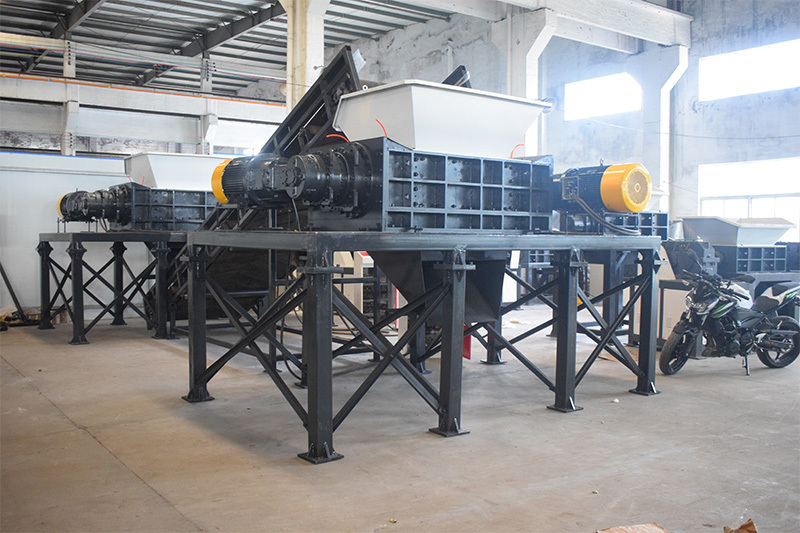
In today’s fast-paced industrial landscape, **plastic scrap shredder machines** play a pivotal role in recycling processes. These machines are designed to shred plastic waste into manageable pieces, facilitating easier recycling and disposal. While their functionality is paramount, ensuring safety during operation is equally critical.
This article explores the various **safety features** incorporated into modern plastic scrap shredder machines, highlighting their importance and functionality.
Understanding the Importance of Safety in Shredding Operations
The operation of shredding machines involves numerous risks, including mechanical injuries, exposure to harmful materials, and operational hazards. As such, manufacturers have prioritized safety features to mitigate these risks and promote a secure working environment.
The Role of Safety Features in Enhancing Operational Efficiency
Integrating safety features doesn’t merely protect operators; it also enhances overall operational efficiency. When workers feel secure, they are likely to perform their tasks more effectively, leading to increased productivity and reduced downtime.
Key Safety Features of Modern Plastic Scrap Shredder Machines
Modern plastic scrap shredder machines are equipped with a variety of advanced safety features designed to protect operators and bystanders alike. Here, we outline the most significant safety features you should be aware of:
1. Emergency Stop Mechanisms
Every plastic scrap shredder machine should feature an **emergency stop button**. This allows operators to immediately halt the machine in case of an emergency, reducing the risk of injury or damage. The button should be easily accessible, ensuring quick action can be taken when necessary.
2. Safety Guards and Covers
Safety guards and covers are essential in preventing accidental contact with moving parts. They act as barriers that reduce the risk of operators getting caught in the machinery. These guards should be designed to withstand impact and prevent debris from escaping the machine.
3. Anti-Jamming Features
Jamming is a common issue in shredding operations that can lead to unsafe conditions. Modern machines are equipped with **anti-jamming technologies** that automatically reverse the rotors when a jam occurs, minimizing the risk of operator intervention while the machine is still running.
4. Automatic Feed Control
Innovative **automatic feed control systems** allow for a regulated input of materials into the shredder. This prevents overloading, reducing the chances of mechanical failure and ensuring smooth operation. An automatic feed also minimizes the need for manual adjustments, decreasing the risk of accidents.
5. Noise Reduction Technologies
Excess noise can lead to a hazardous working environment, causing stress and hindering communication among workers. Modern plastic scrap shredders often incorporate **noise reduction technologies** that not only protect the operators’ hearing but also contribute to a calmer workspace.
6. Advanced Monitoring Systems
Real-time monitoring systems can alert operators to any anomalies in the machine’s operation. These systems can detect overheating, unusual vibrations, or other irregularities that may pose safety risks. By providing early warnings, these systems empower operators to take corrective actions promptly.
7. Training and Instructional Labels
A crucial aspect of safety is ensuring that all operators are adequately trained and aware of the machine’s safety features. Manufacturers often provide clear instructional labels on the machines, detailing safe operation procedures and highlighting critical safety features.
8. Regular Maintenance Protocols
Ensuring consistent **maintenance protocols** is vital to the longevity and safety of plastic scrap shredder machines. Regular inspections and servicing can prevent mechanical failures and ensure all safety features are functioning correctly. Operators should be trained to conduct routine checks and report any issues immediately.
Best Practices for Safe Operation of Plastic Scrap Shredder Machines
Implementing safety features is only one aspect of ensuring a safe working environment. Operators must also adhere to best practices when using these machines. Here are some essential guidelines:
1. Conduct Pre-Operational Checks
Before commencing operations, operators should perform thorough checks on the shredder. This includes inspecting safety guards, emergency stops, and feed mechanisms to ensure everything is in proper working order.
2. Wear Appropriate Personal Protective Equipment (PPE)
Operators must wear suitable PPE, including gloves, safety glasses, and ear protection, to minimize the risk of injury. Ensuring that all team members are equipped with the necessary protective gear is critical for safety.
3. Follow Manufacturer Guidelines
Each shredder comes with specific operational guidelines provided by the manufacturer. Operators should familiarize themselves with these instructions to ensure they are using the machine correctly and safely.
4. Maintain a Clean Work Environment
A clutter-free workspace reduces the chances of accidents. Operators should ensure that the area around the shredder is clean and free from debris, tools, or other materials that could pose a risk.
5. Never Overload the Machine
Operators should always adhere to the specified load limits for the shredder. Overloading can lead to mechanical failures and increased safety risks.
Addressing Common Concerns Regarding Plastic Scrap Shredder Machines
As with any industrial equipment, there are common concerns about safety and efficiency regarding plastic scrap shredders. Here, we address some frequently asked questions.
1. What are the risks associated with operating plastic scrap shredders?
Operators may face mechanical injuries, exposure to sharp materials, and hearing damage due to excessive noise. Proper training and safety features significantly mitigate these risks.
2. How often should maintenance be performed on shredders?
Regular maintenance should be conducted at least once every six months, with daily inspections for any obvious issues before operation.
3. Can plastic scrap shredders handle all types of plastics?
Not all shredders are designed to handle every type of plastic. Operators should refer to the manufacturer's specifications to determine material compatibility.
4. What should be done in case of an emergency?
In the event of an emergency, operators should immediately press the emergency stop button and follow the emergency protocols outlined in the machine’s safety manual.
5. Are there any specific certifications for shredder safety?
Yes, many regions require that industrial shredders comply with safety standards set by regulatory bodies. Operators should ensure their machines are compliant before use.
Conclusion
The evolution of plastic scrap shredder machines has brought about significant advancements in safety features, ensuring that operators can work in a secure environment. By understanding these critical safety components and adhering to best operational practices, industries can optimize their recycling processes while safeguarding their workforce. Investing in modern shredding technologies not only enhances efficiency but also reinforces the commitment to safety in the industrial sector. As we move forward, it is crucial to stay informed about the latest innovations and practices to maintain a safe and productive working environment.
plastic scrap shredder machine
News
Center
Contact us
Maanshan shengzhong heavy industry machinery co.,Ltd.
Address: Bowang Economic Development Zone, Bowang New District, Ma'anshan City, Anhui Province
Tel: 0555-6765308
Mobile: +8615385558866
Mobile:
Address:
Bowang Economic Development Zone, Bowang New District, Ma'anshan City, Anhui Province