











How to Choose the Right Small Shredder for Plastic: A Comprehensive Guide
Table of Contents:
1. Introduction
2. Understanding the Importance of Choosing the Right Small Shredder
3. Factors to Consider When Selecting a Small Shredder for Plastic
3.1 Shredding Capacity
3.2 Shredding Mechanism
3.3 Safety Features
3.4 Noise Level
3.5 Maintenance and Durability
4. Types of Small Shredders for Plastic
4.1 Strip Cut Shredders
4.2 Cross Cut Shredders
4.3 Micro Cut Shredders
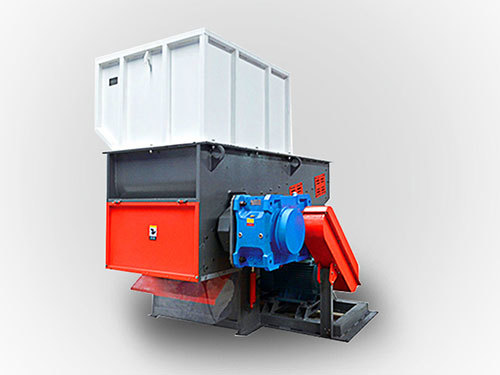
4.4 Single Shaft Shredders
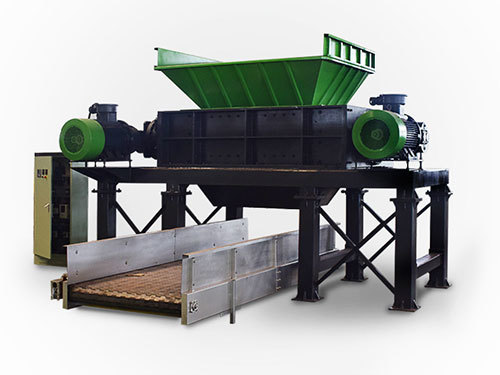
4.5 Dual Shaft Shredders
5. Key Features to Look for in a Small Shredder for Plastic
5.1 Motor Power
5.2 Feed Capacity
5.3 Auto-Feed Option
5.4 Reverse Function
5.5 Jam Prevention Technology
6. Selecting the Right Size of Small Shredder
7. Best Practices for Using a Small Shredder for Plastic
7.1 Safety Precautions
7.2 Proper Shredding Techniques
7.3 Maintenance Tips
8. Frequently Asked Questions (FAQs)
8.1 What types of plastic can be shredded?
8.2 Can a small shredder handle large quantities of plastic?
8.3 How often should I lubricate my shredder?
8.4 Are there any safety certifications to look for in a small shredder?
8.5 Can I use a small shredder for other materials besides plastic?
9. Conclusion
1. Introduction
In this comprehensive guide, we will delve into the process of selecting the right small shredder for plastic materials. Whether you aim to shred plastic for recycling purposes or manage sensitive documents, finding the perfect shredder is crucial.
2. Understanding the Importance of Choosing the Right Small Shredder
Selecting the appropriate small shredder for plastic can greatly impact efficiency, productivity, and overall cost-effectiveness. It not only ensures proper disposal but also protects confidential information and prevents potential hazards.
3. Factors to Consider When Selecting a Small Shredder for Plastic
3.1 Shredding Capacity
Consider the volume of plastic you need to shred on a regular basis. Determine whether a small shredder with a higher capacity is more suitable or if a smaller capacity fits your needs.
3.2 Shredding Mechanism
Different shredding mechanisms, such as strip cut, cross cut, micro cut, single shaft, and dual shaft, offer varying levels of security and particle size. Choose the mechanism that aligns with your specific requirements.
3.3 Safety Features
Ensure the shredder you choose has essential safety features like automatic shut-off, overload protection, and safety sensors to prevent accidents and injuries.
3.4 Noise Level
If noise is a concern in your environment, opt for a shredder with noise reduction technology or a quiet motor to maintain a peaceful work atmosphere.
3.5 Maintenance and Durability
Consider the ease of maintenance and the overall durability of the shredder. Look for features such as self-cleaning functions, removable shredding heads, and high-quality materials for long-lasting performance.
4. Types of Small Shredders for Plastic
4.1 Strip Cut Shredders
Strip cut shredders produce long, thin strips of plastic, providing basic security for non-sensitive materials. These shredders are suitable for general use but may not be ideal for confidential or highly sensitive documents.
4.2 Cross Cut Shredders
Cross cut shredders create small, confetti-like pieces, enhancing security by making it difficult to reconstruct shredded documents. They offer a higher level of protection and are recommended for disposing of sensitive information.
4.3 Micro Cut Shredders
Micro cut shredders provide the highest level of security by reducing plastic into tiny, unreadable particles. While they offer superior protection, they may have a lower shredding capacity and require more frequent emptying of the collection bin.
4.4 Single Shaft Shredders
Single shaft shredders are designed for more heavy-duty applications, capable of shredding thick plastic materials efficiently. They are ideal for industrial settings or large-scale operations.
4.5 Dual Shaft Shredders
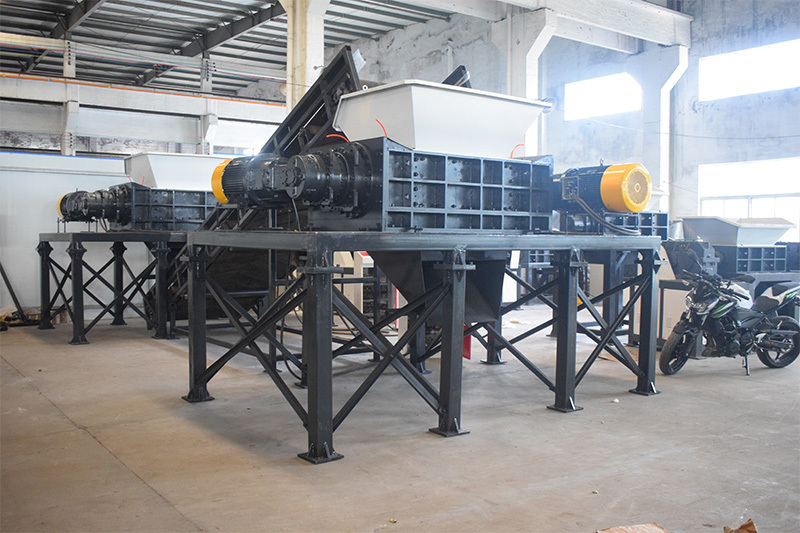
Dual shaft shredders excel at handling bulky plastic items and materials with high resistance. They offer enhanced shredding power and are suitable for processing larger quantities of plastic.
5. Key Features to Look for in a Small Shredder for Plastic
5.1 Motor Power
Ensure the shredder has a powerful motor that can handle the intensity of shredding plastic materials without frequent overheating or jamming.
5.2 Feed Capacity
Consider the maximum amount of plastic the shredder can handle per feeding session. Opt for a shredder with a suitable feed capacity to avoid constant interruptions.
5.3 Auto-Feed Option
Some shredders offer automated feeding options, allowing for convenient, hands-free shredding. This feature can significantly increase productivity and ease of use.
5.4 Reverse Function
A reverse function helps clear paper jams or plastic blockages in the shredding mechanism, preventing damage to the shredder and ensuring smooth operation.
5.5 Jam Prevention Technology
Shredders with advanced jam prevention technology can detect potential jams and adjust the shredding process accordingly, minimizing interruptions and ensuring efficient performance.
6. Selecting the Right Size of Small Shredder
Consider the available space in your workspace or facility when choosing the size of the small shredder. Ensure it fits comfortably without causing congestion or hindering workflow.
7. Best Practices for Using a Small Shredder for Plastic
7.1 Safety Precautions
Follow all safety guidelines provided by the manufacturer and ensure proper training for anyone operating the shredder. Use personal protective equipment as necessary to prevent accidents.
7.2 Proper Shredding Techniques
Understand the correct way to feed plastic materials into the shredder to prevent jams and maximize efficiency. Avoid overloading the shredder beyond its recommended capacity.
7.3 Maintenance Tips
Regularly clean and lubricate the shredder to ensure smooth operation. Follow the manufacturer's recommendations for maintenance intervals and use high-quality shredder oil for optimal performance.
8. Frequently Asked Questions (FAQs)
8.1 What types of plastic can be shredded?
Most small shredders for plastic can handle various types of plastic, including PET, PVC, HDPE, and more. However, it is essential to check the manufacturer's specifications to ensure compatibility.
8.2 Can a small shredder handle large quantities of plastic?
While small shredders are generally designed for moderate volumes, some models can handle larger quantities. It is crucial to select a shredder that aligns with your specific shredding needs.
8.3 How often should I lubricate my shredder?
The frequency of lubrication depends on the shredder model and usage. It is recommended to lubricate the shredder blades every 30 minutes to an hour of continuous shredding or as per the manufacturer's instructions.
8.4 Are there any safety certifications to look for in a small shredder?
Look for safety certifications such as UL (Underwriters Laboratories) to ensure the shredder meets industry safety standards and regulations.
8.5 Can I use a small shredder for other materials besides plastic?
While small shredders are primarily designed for shredding plastic, some models can handle other materials like paper, cardboard, or thin metal. Always check the manufacturer's specifications for compatibility.
9. Conclusion
Choosing the right small shredder for plastic is essential for efficient waste management, data protection, and overall productivity. By considering factors such as shredding capacity, mechanism, safety features, and key functionalities, you can make an informed decision that meets your specific requirements. Remember to prioritize durability, ease of maintenance, and proper usage techniques to maximize the lifespan and effectiveness of your chosen shredder.
1. Introduction
2. Understanding the Importance of Choosing the Right Small Shredder
3. Factors to Consider When Selecting a Small Shredder for Plastic
3.1 Shredding Capacity
3.2 Shredding Mechanism
3.3 Safety Features
3.4 Noise Level
3.5 Maintenance and Durability
4. Types of Small Shredders for Plastic
4.1 Strip Cut Shredders
4.2 Cross Cut Shredders
4.3 Micro Cut Shredders
4.4 Single Shaft Shredders
4.5 Dual Shaft Shredders
5. Key Features to Look for in a Small Shredder for Plastic
5.1 Motor Power
5.2 Feed Capacity
5.3 Auto-Feed Option
5.4 Reverse Function
5.5 Jam Prevention Technology
6. Selecting the Right Size of Small Shredder
7. Best Practices for Using a Small Shredder for Plastic
7.1 Safety Precautions
7.2 Proper Shredding Techniques
7.3 Maintenance Tips
8. Frequently Asked Questions (FAQs)
8.1 What types of plastic can be shredded?
8.2 Can a small shredder handle large quantities of plastic?
8.3 How often should I lubricate my shredder?
8.4 Are there any safety certifications to look for in a small shredder?
8.5 Can I use a small shredder for other materials besides plastic?
9. Conclusion
1. Introduction
In this comprehensive guide, we will delve into the process of selecting the right small shredder for plastic materials. Whether you aim to shred plastic for recycling purposes or manage sensitive documents, finding the perfect shredder is crucial.
2. Understanding the Importance of Choosing the Right Small Shredder
Selecting the appropriate small shredder for plastic can greatly impact efficiency, productivity, and overall cost-effectiveness. It not only ensures proper disposal but also protects confidential information and prevents potential hazards.
3. Factors to Consider When Selecting a Small Shredder for Plastic
3.1 Shredding Capacity
Consider the volume of plastic you need to shred on a regular basis. Determine whether a small shredder with a higher capacity is more suitable or if a smaller capacity fits your needs.
3.2 Shredding Mechanism
Different shredding mechanisms, such as strip cut, cross cut, micro cut, single shaft, and dual shaft, offer varying levels of security and particle size. Choose the mechanism that aligns with your specific requirements.
3.3 Safety Features
Ensure the shredder you choose has essential safety features like automatic shut-off, overload protection, and safety sensors to prevent accidents and injuries.
3.4 Noise Level
If noise is a concern in your environment, opt for a shredder with noise reduction technology or a quiet motor to maintain a peaceful work atmosphere.
3.5 Maintenance and Durability
Consider the ease of maintenance and the overall durability of the shredder. Look for features such as self-cleaning functions, removable shredding heads, and high-quality materials for long-lasting performance.
4. Types of Small Shredders for Plastic
4.1 Strip Cut Shredders
Strip cut shredders produce long, thin strips of plastic, providing basic security for non-sensitive materials. These shredders are suitable for general use but may not be ideal for confidential or highly sensitive documents.
4.2 Cross Cut Shredders
Cross cut shredders create small, confetti-like pieces, enhancing security by making it difficult to reconstruct shredded documents. They offer a higher level of protection and are recommended for disposing of sensitive information.
4.3 Micro Cut Shredders
Micro cut shredders provide the highest level of security by reducing plastic into tiny, unreadable particles. While they offer superior protection, they may have a lower shredding capacity and require more frequent emptying of the collection bin.
4.4 Single Shaft Shredders
Single shaft shredders are designed for more heavy-duty applications, capable of shredding thick plastic materials efficiently. They are ideal for industrial settings or large-scale operations.
4.5 Dual Shaft Shredders
Dual shaft shredders excel at handling bulky plastic items and materials with high resistance. They offer enhanced shredding power and are suitable for processing larger quantities of plastic.
5. Key Features to Look for in a Small Shredder for Plastic
5.1 Motor Power
Ensure the shredder has a powerful motor that can handle the intensity of shredding plastic materials without frequent overheating or jamming.
5.2 Feed Capacity
Consider the maximum amount of plastic the shredder can handle per feeding session. Opt for a shredder with a suitable feed capacity to avoid constant interruptions.
5.3 Auto-Feed Option
Some shredders offer automated feeding options, allowing for convenient, hands-free shredding. This feature can significantly increase productivity and ease of use.
5.4 Reverse Function
A reverse function helps clear paper jams or plastic blockages in the shredding mechanism, preventing damage to the shredder and ensuring smooth operation.
5.5 Jam Prevention Technology
Shredders with advanced jam prevention technology can detect potential jams and adjust the shredding process accordingly, minimizing interruptions and ensuring efficient performance.
6. Selecting the Right Size of Small Shredder
Consider the available space in your workspace or facility when choosing the size of the small shredder. Ensure it fits comfortably without causing congestion or hindering workflow.
7. Best Practices for Using a Small Shredder for Plastic
7.1 Safety Precautions
Follow all safety guidelines provided by the manufacturer and ensure proper training for anyone operating the shredder. Use personal protective equipment as necessary to prevent accidents.
7.2 Proper Shredding Techniques
Understand the correct way to feed plastic materials into the shredder to prevent jams and maximize efficiency. Avoid overloading the shredder beyond its recommended capacity.
7.3 Maintenance Tips
Regularly clean and lubricate the shredder to ensure smooth operation. Follow the manufacturer's recommendations for maintenance intervals and use high-quality shredder oil for optimal performance.
8. Frequently Asked Questions (FAQs)
8.1 What types of plastic can be shredded?
Most small shredders for plastic can handle various types of plastic, including PET, PVC, HDPE, and more. However, it is essential to check the manufacturer's specifications to ensure compatibility.
8.2 Can a small shredder handle large quantities of plastic?
While small shredders are generally designed for moderate volumes, some models can handle larger quantities. It is crucial to select a shredder that aligns with your specific shredding needs.
8.3 How often should I lubricate my shredder?
The frequency of lubrication depends on the shredder model and usage. It is recommended to lubricate the shredder blades every 30 minutes to an hour of continuous shredding or as per the manufacturer's instructions.
8.4 Are there any safety certifications to look for in a small shredder?
Look for safety certifications such as UL (Underwriters Laboratories) to ensure the shredder meets industry safety standards and regulations.
8.5 Can I use a small shredder for other materials besides plastic?
While small shredders are primarily designed for shredding plastic, some models can handle other materials like paper, cardboard, or thin metal. Always check the manufacturer's specifications for compatibility.
9. Conclusion
Choosing the right small shredder for plastic is essential for efficient waste management, data protection, and overall productivity. By considering factors such as shredding capacity, mechanism, safety features, and key functionalities, you can make an informed decision that meets your specific requirements. Remember to prioritize durability, ease of maintenance, and proper usage techniques to maximize the lifespan and effectiveness of your chosen shredder.
small shredder for plastic
News
Center
Contact us
Maanshan shengzhong heavy industry machinery co.,Ltd.
Address: Bowang Economic Development Zone, Bowang New District, Ma'anshan City, Anhui Province
Tel: 0555-6765308
Mobile: +8615385558866
Mobile:
Address:
Bowang Economic Development Zone, Bowang New District, Ma'anshan City, Anhui Province