











Effective Waste Shredder Solutions for Efficient Recycling
Table of Contents:
1. Introduction
2. Understanding the Importance of Waste Shredding in Recycling
3. Types of Waste Shredders and their Functions
4. Benefits of Using Waste Shredder Solutions
5. Factors to Consider When Choosing a Waste Shredder
6. FAQs about Waste Shredder Solutions
7. Conclusion
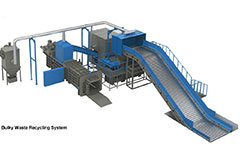
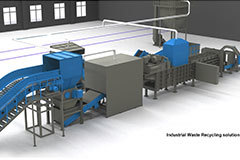
In today's world, where environmental concerns are on the rise, effective waste management practices are crucial. Recycling plays a significant role in reducing waste and preserving our planet. Waste shredding is an essential step in the recycling process, as it helps break down various materials into smaller, more manageable pieces. In this article, we will explore the world of waste shredder solutions, their benefits, and how they contribute to efficient recycling.
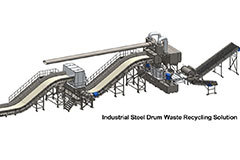
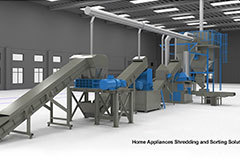
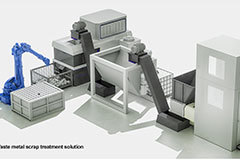
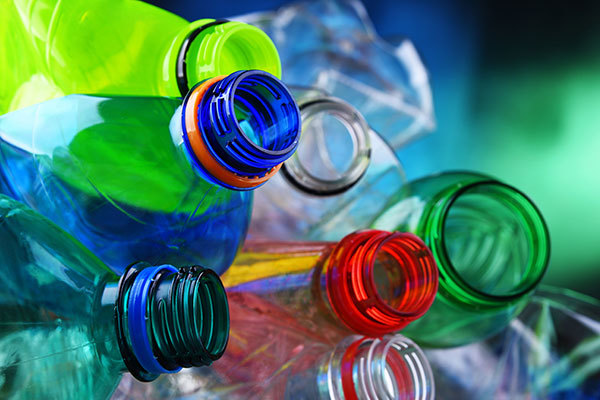
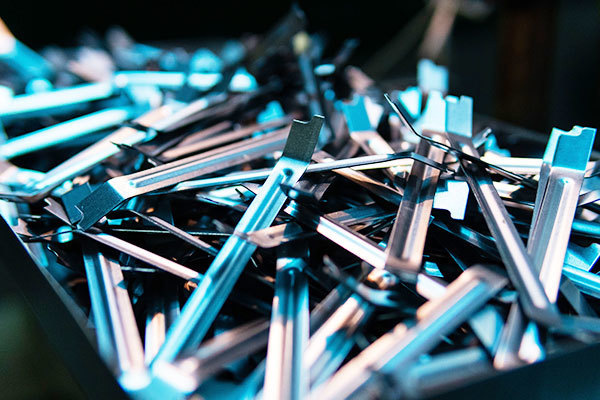
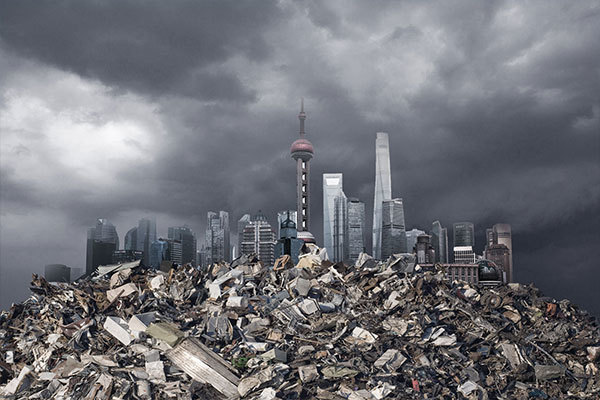
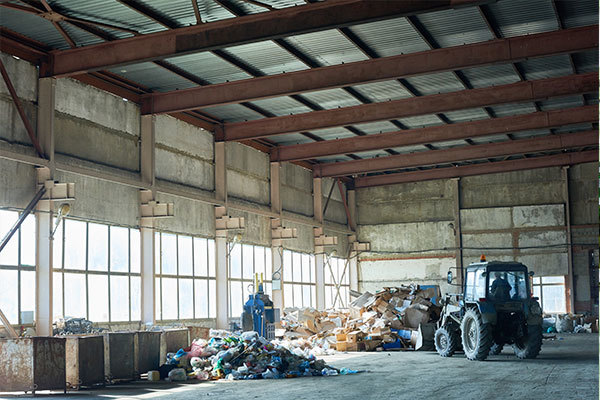
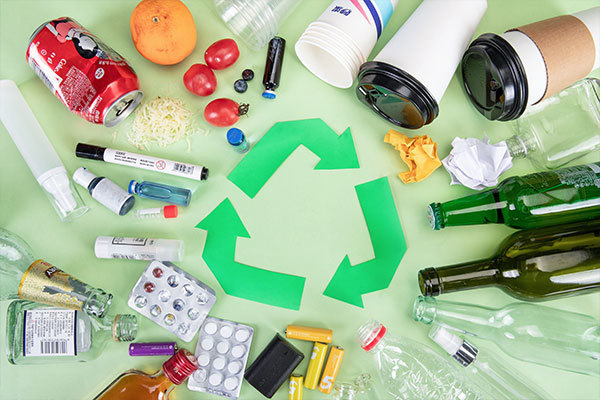
Waste shredding is a vital step in recycling because it helps optimize the processing of different materials. By shredding waste into smaller particles, it becomes easier to separate and sort various materials, such as paper, plastic, and metal. This process is essential for efficient recycling and resource recovery. Waste shredders are designed to handle different types of waste, including solid waste, industrial waste, electronic waste, and more.
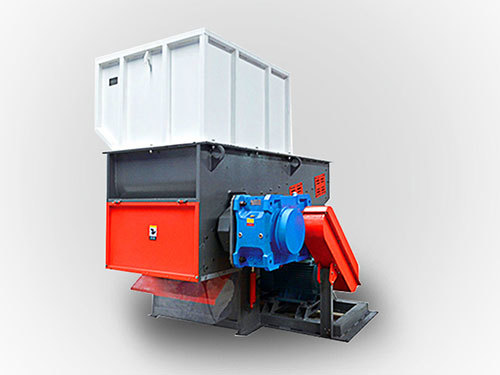
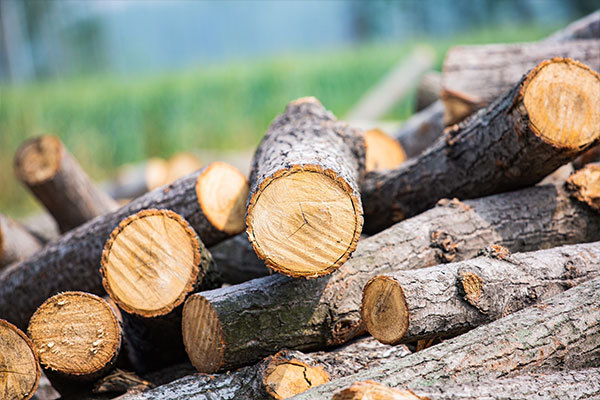
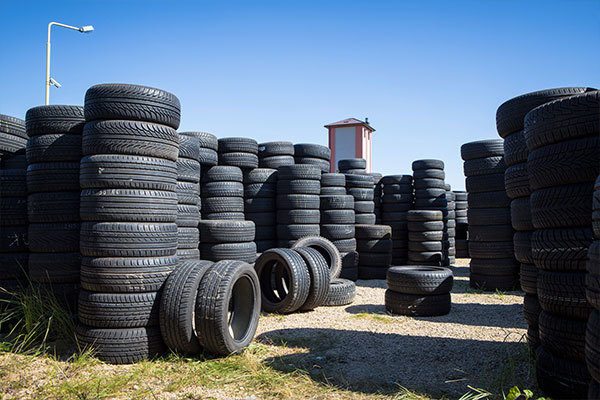
1. Single Shaft Shredders: These shredders are versatile and can handle a wide range of materials. They are commonly used for shredding plastic, rubber, wood, and paper. Single shaft shredders are known for their durability and ability to handle high volumes of waste.
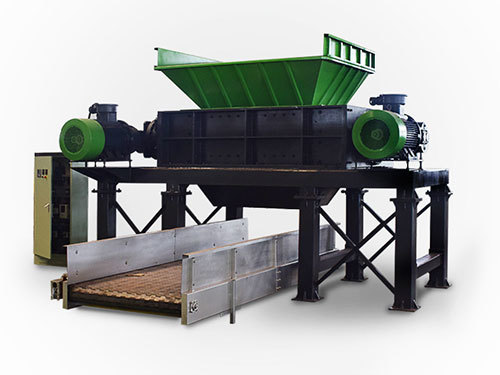
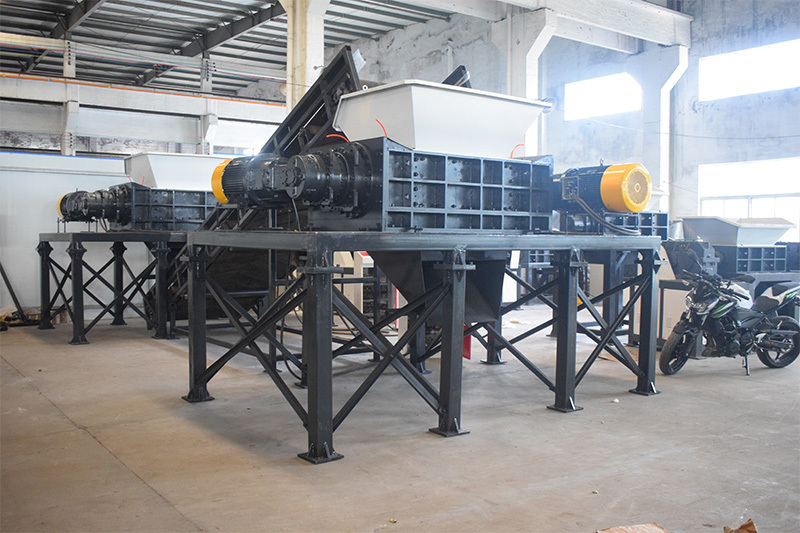
2. Double Shaft Shredders: Double shaft shredders offer higher torque and power, making them suitable for shredding tougher materials, including metal scraps, car parts, and electronic waste. Their dual-shaft design enhances the shredding efficiency and ensures consistent results.
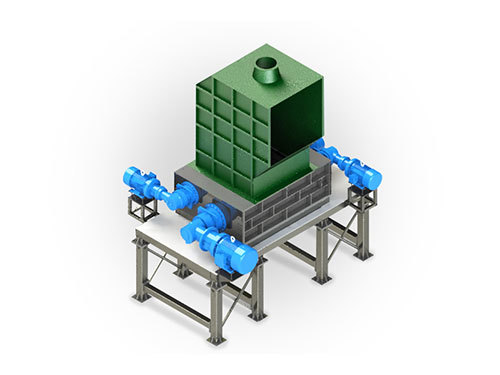
3. Four Shaft Shredders: Four shaft shredders are designed for high-security applications where sensitive information needs to be destroyed. These shredders are capable of reducing documents, hard drives, and other confidential materials into fine particles, ensuring data confidentiality.
1. Efficient Material Processing: Waste shredders enhance the recycling process by reducing the size of materials. This facilitates easier sorting, separating, and processing of recyclable materials.
2. Resource Recovery: Shredding waste materials can help recover valuable resources like metals, plastics, and paper. These resources can then be reused or recycled, reducing the need for extracting new raw materials.
3. Waste Volume Reduction: Shredding waste effectively reduces its volume, allowing for more compact storage and transportation. This results in cost savings and optimizes logistics in waste management.
4. Environmental Impact: By incorporating waste shredder solutions into recycling processes, we can significantly reduce the environmental impact of waste disposal. Proper waste management promotes a circular economy and helps conserve natural resources.
1. Material Type: Different waste shredders are designed to handle specific materials. It is crucial to select a shredder that can effectively process the waste materials you work with.
2. Throughput Capacity: Consider the volume of waste you need to process daily and choose a shredder with an appropriate throughput capacity. Opting for a shredder that meets your requirements ensures optimal efficiency and productivity.
3. Maintenance and Durability: Look for waste shredders that are built to last, with durable components and easy maintenance features. Regular maintenance ensures the longevity of the machine and minimizes downtime.
4. Safety Features: Prioritize waste shredders that come with safety features like emergency stop buttons, overload protection, and automatic shut-off systems. Safety should always be a top concern when operating heavy machinery.
A: Some waste shredders are designed to handle multiple types of waste simultaneously, while others may require separate processing for different materials. It is essential to choose a shredder that suits your specific waste management needs.
A: Waste shredders can produce noise due to the powerful motors required for shredding. However, modern shredders come with noise reduction features to minimize the impact on the surrounding environment.
A: Regular maintenance is crucial to ensure optimal performance and longevity of a waste shredder. The frequency of maintenance depends on factors such as usage, material processed, and manufacturer recommendations.
A: Yes, many waste shredders can be customized to meet specific requirements. Manufacturers often offer options for different sizes, motor power, and additional features tailored to individual needs.
A: Waste shredders come in various sizes, making them suitable for both small-scale and large-scale recycling operations. It is essential to choose a shredder that matches the volume and type of waste generated.
Effective waste shredder solutions play a pivotal role in streamlining recycling processes. By breaking down waste materials into manageable pieces, these shredders enhance sorting, resource recovery, and waste volume reduction. When choosing a waste shredder, consider factors such as material type, throughput capacity, maintenance requirements, and safety features. Incorporating waste shredders into recycling operations promotes efficient waste management, environmental sustainability, and the conservation of valuable resources.
1. Introduction
2. Understanding the Importance of Waste Shredding in Recycling
3. Types of Waste Shredders and their Functions
4. Benefits of Using Waste Shredder Solutions
5. Factors to Consider When Choosing a Waste Shredder
6. FAQs about Waste Shredder Solutions
7. Conclusion
Introduction
In today's world, where environmental concerns are on the rise, effective waste management practices are crucial. Recycling plays a significant role in reducing waste and preserving our planet. Waste shredding is an essential step in the recycling process, as it helps break down various materials into smaller, more manageable pieces. In this article, we will explore the world of waste shredder solutions, their benefits, and how they contribute to efficient recycling.
Understanding the Importance of Waste Shredding in Recycling
Waste shredding is a vital step in recycling because it helps optimize the processing of different materials. By shredding waste into smaller particles, it becomes easier to separate and sort various materials, such as paper, plastic, and metal. This process is essential for efficient recycling and resource recovery. Waste shredders are designed to handle different types of waste, including solid waste, industrial waste, electronic waste, and more.
Types of Waste Shredders and their Functions
1. Single Shaft Shredders: These shredders are versatile and can handle a wide range of materials. They are commonly used for shredding plastic, rubber, wood, and paper. Single shaft shredders are known for their durability and ability to handle high volumes of waste.
2. Double Shaft Shredders: Double shaft shredders offer higher torque and power, making them suitable for shredding tougher materials, including metal scraps, car parts, and electronic waste. Their dual-shaft design enhances the shredding efficiency and ensures consistent results.
3. Four Shaft Shredders: Four shaft shredders are designed for high-security applications where sensitive information needs to be destroyed. These shredders are capable of reducing documents, hard drives, and other confidential materials into fine particles, ensuring data confidentiality.
Benefits of Using Waste Shredder Solutions
1. Efficient Material Processing: Waste shredders enhance the recycling process by reducing the size of materials. This facilitates easier sorting, separating, and processing of recyclable materials.
2. Resource Recovery: Shredding waste materials can help recover valuable resources like metals, plastics, and paper. These resources can then be reused or recycled, reducing the need for extracting new raw materials.
3. Waste Volume Reduction: Shredding waste effectively reduces its volume, allowing for more compact storage and transportation. This results in cost savings and optimizes logistics in waste management.
4. Environmental Impact: By incorporating waste shredder solutions into recycling processes, we can significantly reduce the environmental impact of waste disposal. Proper waste management promotes a circular economy and helps conserve natural resources.
Factors to Consider When Choosing a Waste Shredder
1. Material Type: Different waste shredders are designed to handle specific materials. It is crucial to select a shredder that can effectively process the waste materials you work with.
2. Throughput Capacity: Consider the volume of waste you need to process daily and choose a shredder with an appropriate throughput capacity. Opting for a shredder that meets your requirements ensures optimal efficiency and productivity.
3. Maintenance and Durability: Look for waste shredders that are built to last, with durable components and easy maintenance features. Regular maintenance ensures the longevity of the machine and minimizes downtime.
4. Safety Features: Prioritize waste shredders that come with safety features like emergency stop buttons, overload protection, and automatic shut-off systems. Safety should always be a top concern when operating heavy machinery.
FAQs about Waste Shredder Solutions
Q: Can waste shredders handle different types of waste simultaneously?
A: Some waste shredders are designed to handle multiple types of waste simultaneously, while others may require separate processing for different materials. It is essential to choose a shredder that suits your specific waste management needs.
Q: Are waste shredders noisy during operation?
A: Waste shredders can produce noise due to the powerful motors required for shredding. However, modern shredders come with noise reduction features to minimize the impact on the surrounding environment.
Q: How often should a waste shredder be maintained?
A: Regular maintenance is crucial to ensure optimal performance and longevity of a waste shredder. The frequency of maintenance depends on factors such as usage, material processed, and manufacturer recommendations.
Q: Can waste shredders be customized for specific requirements?
A: Yes, many waste shredders can be customized to meet specific requirements. Manufacturers often offer options for different sizes, motor power, and additional features tailored to individual needs.
Q: Are waste shredders suitable for small-scale recycling operations?
A: Waste shredders come in various sizes, making them suitable for both small-scale and large-scale recycling operations. It is essential to choose a shredder that matches the volume and type of waste generated.
Conclusion
Effective waste shredder solutions play a pivotal role in streamlining recycling processes. By breaking down waste materials into manageable pieces, these shredders enhance sorting, resource recovery, and waste volume reduction. When choosing a waste shredder, consider factors such as material type, throughput capacity, maintenance requirements, and safety features. Incorporating waste shredders into recycling operations promotes efficient waste management, environmental sustainability, and the conservation of valuable resources.
waste shredder
News
Center
Contact us
Maanshan shengzhong heavy industry machinery co.,Ltd.
Address: Bowang Economic Development Zone, Bowang New District, Ma'anshan City, Anhui Province
Tel: 0555-6765308
Mobile: +8615385558866
Mobile:
Address:
Bowang Economic Development Zone, Bowang New District, Ma'anshan City, Anhui Province