












The Ultimate Guide to Choosing a Straw Shredder for Your Manufacturing Business
Table of Contents:
1. Introduction: The Importance of Choosing the Right Straw Shredder
2. Types of Straw Shredders
2.1 Rotary Cutters
2.2 Hammer Mills
2.3 Bale Processors
2.4 Flail Shredders
3. Factors to Consider When Choosing a Straw Shredder
3.1 Production Capacity
3.2 Power Source
3.3 Durability and Maintenance
3.4 Size and Portability
3.5 Safety Features
3.6 Cost and Budget
4. Understanding Your Straw Shredding Needs
4.1 Types of Straws to be Shredded
4.2 Volume of Straws
4.3 Desired Output Size
4.4 Noise and Environmental Considerations
5. Evaluating Manufacturer Reputation and Support
5.1 Researching Manufacturer Reviews
5.2 Assessing Warranty and After-Sales Support
5.3 Checking Availability of Spare Parts
6. Case Studies: Real-Life Examples of Successful Straw Shredder Implementations
7. Frequently Asked Questions (FAQs)
7.1 What are the benefits of using a straw shredder for my manufacturing business?
7.2 Can a straw shredder handle different types of straws?
7.3 How do I determine the appropriate size and capacity for my straw shredder?
7.4 Are there any safety precautions I should consider when operating a straw shredder?
7.5 What maintenance routines are necessary for a straw shredder?
8. Conclusion: Making an Informed Decision
1. Introduction: The Importance of Choosing the Right Straw Shredder
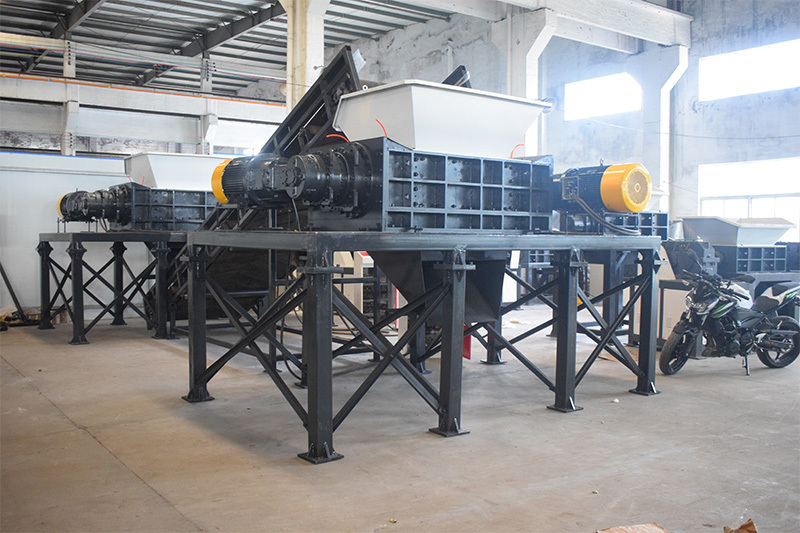
Choosing the right straw shredder for your manufacturing business is crucial for optimizing efficiency and productivity. A well-selected machine can help you process large quantities of straw quickly and effectively, leading to cost savings and enhanced manufacturing operations. In this guide, we will explore various aspects to consider when selecting a straw shredder that best suits your specific needs.
2. Types of Straw Shredders
2.1 Rotary Cutters
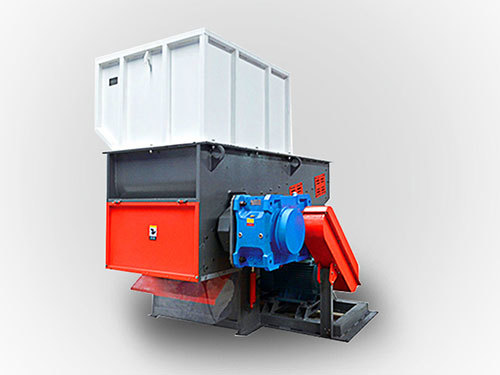
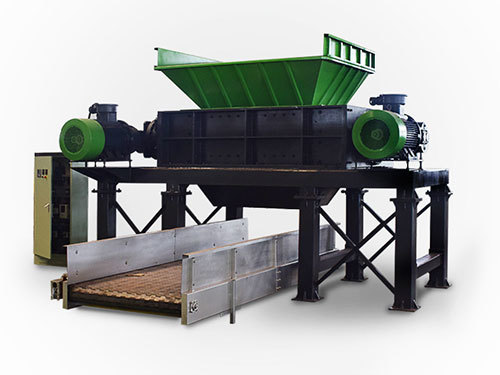
Rotary cutters are a popular choice for straw shredding due to their versatility and ability to handle a wide range of straw types. They feature rotating blades that cut the straws into smaller pieces. Rotary cutters are known for their high throughput capacity and can efficiently process both dry and wet straws.
2.2 Hammer Mills
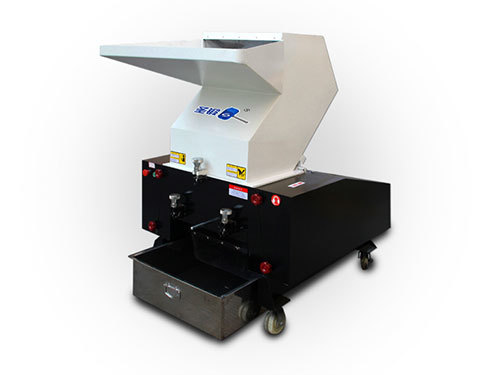
Hammer mills are designed to pulverize the straws into fine particles using high-speed rotating hammers. They are ideal for applications that require a finer output size and are commonly used in industries such as animal bedding and biomass fuel production.
2.3 Bale Processors
Bale processors are specifically designed to shred large bales of straw. They utilize rotating flails or knives to break down the bales into smaller pieces, making them suitable for operations that handle straw in bale form.
2.4 Flail Shredders
Flail shredders feature a series of rotating knives or hammers attached to a spinning rotor. They are commonly used for shredding straw and are known for their ability to deliver consistent and uniform output sizes.
3. Factors to Consider When Choosing a Straw Shredder
3.1 Production Capacity
The production capacity of a straw shredder should align with your manufacturing requirements. Consider the volume of straws you need to process per hour or day and choose a shredder that can handle that workload efficiently.
3.2 Power Source
Straw shredders can be powered by electricity, diesel engines, or tractor PTOs (Power Take-Off). Evaluate the availability and cost of the power source options to determine the most suitable choice for your business.
3.3 Durability and Maintenance
Investing in a durable straw shredder is essential for long-term cost savings. Look for models built with high-quality materials and components that can withstand the demands of your manufacturing environment. Additionally, consider the maintenance requirements and ensure that they are manageable for your operations.
3.4 Size and Portability
The physical dimensions of the straw shredder play a role in its suitability for your manufacturing facility. Measure the available space and choose a shredder that fits comfortably. If portability is a requirement, consider models with wheels or ones that can be attached to a tractor.
3.5 Safety Features
Safety should be a top priority when selecting a straw shredder. Look for features such as emergency stop buttons, safety guards, and interlocks that prevent accidental access to moving parts. Proper safety mechanisms help protect your employees and minimize the risk of accidents.
3.6 Cost and Budget
Determine your budget and carefully evaluate the cost of different straw shredder models. Consider the long-term return on investment and factor in additional expenses such as maintenance and spare parts.
4. Understanding Your Straw Shredding Needs
4.1 Types of Straws to be Shredded
Identify the specific types of straws your manufacturing business handles. Different shredders may be more suitable for certain types of straws, such as wheat, rice, or corn straws. Choose a shredder that can effectively process the types of straws you work with.
4.2 Volume of Straws
Evaluate the volume of straws your business deals with on a regular basis. This information will help you determine the required throughput capacity of the shredder and ensure it can handle your workload efficiently.
4.3 Desired Output Size
Consider the desired output size of the shredded straws. Some applications may require fine particles, while others may need larger pieces. Choose a shredder that can deliver the desired output size consistently.
4.4 Noise and Environmental Considerations
Take into account the noise level produced by the straw shredder and assess whether it aligns with your workplace noise regulations. Additionally, consider environmental factors such as emissions and dust control to ensure compliance with applicable regulations.
5. Evaluating Manufacturer Reputation and Support
5.1 Researching Manufacturer Reviews
Before making a purchase, research the reputation of the straw shredder manufacturer. Read customer reviews, testimonials, and case studies to gauge the quality and reliability of their products. Look for manufacturers with a proven track record in the industry.
5.2 Assessing Warranty and After-Sales Support
A reliable manufacturer will offer a warranty and provide comprehensive after-sales support. Consider the warranty period and the availability of technical assistance and spare parts. A manufacturer with a responsive customer support team can help address any issues that may arise during the lifespan of the machine.
5.3 Checking Availability of Spare Parts
Ensure that the manufacturer provides readily available spare parts for the straw shredder. A reliable supply of spare parts is essential to minimize downtime and ensure smooth operations.
6. Case Studies: Real-Life Examples of Successful Straw Shredder Implementations
Explore real-life case studies where manufacturing businesses have successfully implemented straw shredders. Learn from their experiences, challenges, and benefits to gain valuable insights and make an informed decision.
7. Frequently Asked Questions (FAQs)
7.1 What are the benefits of using a straw shredder for my manufacturing business?
A straw shredder offers several benefits, including enhanced productivity, cost savings, and improved material handling efficiency. It helps process large quantities of straws quickly and efficiently, reducing labor requirements and allowing for better utilization of resources.
7.2 Can a straw shredder handle different types of straws?
Yes, many straw shredders are designed to handle various types of straws, including wheat, rice, corn, and more. However, it's important to check the specifications of the shredder to ensure compatibility with the specific types of straws your business deals with.
7.3 How do I determine the appropriate size and capacity for my straw shredder?
To determine the appropriate size and capacity, consider factors such as the volume of straws you need to process, the desired output size, and your manufacturing requirements. Consult with the manufacturer or industry experts to obtain personalized recommendations based on your specific needs.
7.4 Are there any safety precautions I should consider when operating a straw shredder?
Yes, operating a straw shredder requires adherence to safety precautions. Ensure that all safety features are in place and functioning correctly. Train your employees on proper use and maintenance procedures, and provide them with personal protective equipment (PPE) when operating the shredder.
7.5 What maintenance routines are necessary for a straw shredder?
Regular maintenance is essential to keep your straw shredder in optimal condition. Follow the manufacturer's guidelines for routine inspections, cleaning, lubrication, and any other recommended maintenance tasks. Promptly address any issues or abnormalities to prevent further damage and ensure the longevity of the machine.
8. Conclusion: Making an Informed Decision
Choosing the right straw shredder for your manufacturing business is a crucial decision that can significantly impact your operations. By considering factors such as production capacity, power source, durability, and specific needs, you can make an informed decision. Remember to evaluate the manufacturer's reputation and support, and conduct thorough research to find a straw shredder that meets your requirements. With the right straw shredder, you can streamline your manufacturing processes and achieve greater efficiency and productivity.
1. Introduction: The Importance of Choosing the Right Straw Shredder
2. Types of Straw Shredders
2.1 Rotary Cutters
2.2 Hammer Mills
2.3 Bale Processors
2.4 Flail Shredders
3. Factors to Consider When Choosing a Straw Shredder
3.1 Production Capacity
3.2 Power Source
3.3 Durability and Maintenance
3.4 Size and Portability
3.5 Safety Features
3.6 Cost and Budget
4. Understanding Your Straw Shredding Needs
4.1 Types of Straws to be Shredded
4.2 Volume of Straws
4.3 Desired Output Size
4.4 Noise and Environmental Considerations
5. Evaluating Manufacturer Reputation and Support
5.1 Researching Manufacturer Reviews
5.2 Assessing Warranty and After-Sales Support
5.3 Checking Availability of Spare Parts
6. Case Studies: Real-Life Examples of Successful Straw Shredder Implementations
7. Frequently Asked Questions (FAQs)
7.1 What are the benefits of using a straw shredder for my manufacturing business?
7.2 Can a straw shredder handle different types of straws?
7.3 How do I determine the appropriate size and capacity for my straw shredder?
7.4 Are there any safety precautions I should consider when operating a straw shredder?
7.5 What maintenance routines are necessary for a straw shredder?
8. Conclusion: Making an Informed Decision
1. Introduction: The Importance of Choosing the Right Straw Shredder
Choosing the right straw shredder for your manufacturing business is crucial for optimizing efficiency and productivity. A well-selected machine can help you process large quantities of straw quickly and effectively, leading to cost savings and enhanced manufacturing operations. In this guide, we will explore various aspects to consider when selecting a straw shredder that best suits your specific needs.
2. Types of Straw Shredders
2.1 Rotary Cutters
Rotary cutters are a popular choice for straw shredding due to their versatility and ability to handle a wide range of straw types. They feature rotating blades that cut the straws into smaller pieces. Rotary cutters are known for their high throughput capacity and can efficiently process both dry and wet straws.
2.2 Hammer Mills
Hammer mills are designed to pulverize the straws into fine particles using high-speed rotating hammers. They are ideal for applications that require a finer output size and are commonly used in industries such as animal bedding and biomass fuel production.
2.3 Bale Processors
Bale processors are specifically designed to shred large bales of straw. They utilize rotating flails or knives to break down the bales into smaller pieces, making them suitable for operations that handle straw in bale form.
2.4 Flail Shredders
Flail shredders feature a series of rotating knives or hammers attached to a spinning rotor. They are commonly used for shredding straw and are known for their ability to deliver consistent and uniform output sizes.
3. Factors to Consider When Choosing a Straw Shredder
3.1 Production Capacity
The production capacity of a straw shredder should align with your manufacturing requirements. Consider the volume of straws you need to process per hour or day and choose a shredder that can handle that workload efficiently.
3.2 Power Source
Straw shredders can be powered by electricity, diesel engines, or tractor PTOs (Power Take-Off). Evaluate the availability and cost of the power source options to determine the most suitable choice for your business.
3.3 Durability and Maintenance
Investing in a durable straw shredder is essential for long-term cost savings. Look for models built with high-quality materials and components that can withstand the demands of your manufacturing environment. Additionally, consider the maintenance requirements and ensure that they are manageable for your operations.
3.4 Size and Portability
The physical dimensions of the straw shredder play a role in its suitability for your manufacturing facility. Measure the available space and choose a shredder that fits comfortably. If portability is a requirement, consider models with wheels or ones that can be attached to a tractor.
3.5 Safety Features
Safety should be a top priority when selecting a straw shredder. Look for features such as emergency stop buttons, safety guards, and interlocks that prevent accidental access to moving parts. Proper safety mechanisms help protect your employees and minimize the risk of accidents.
3.6 Cost and Budget
Determine your budget and carefully evaluate the cost of different straw shredder models. Consider the long-term return on investment and factor in additional expenses such as maintenance and spare parts.
4. Understanding Your Straw Shredding Needs
4.1 Types of Straws to be Shredded
Identify the specific types of straws your manufacturing business handles. Different shredders may be more suitable for certain types of straws, such as wheat, rice, or corn straws. Choose a shredder that can effectively process the types of straws you work with.
4.2 Volume of Straws
Evaluate the volume of straws your business deals with on a regular basis. This information will help you determine the required throughput capacity of the shredder and ensure it can handle your workload efficiently.
4.3 Desired Output Size
Consider the desired output size of the shredded straws. Some applications may require fine particles, while others may need larger pieces. Choose a shredder that can deliver the desired output size consistently.
4.4 Noise and Environmental Considerations
Take into account the noise level produced by the straw shredder and assess whether it aligns with your workplace noise regulations. Additionally, consider environmental factors such as emissions and dust control to ensure compliance with applicable regulations.
5. Evaluating Manufacturer Reputation and Support
5.1 Researching Manufacturer Reviews
Before making a purchase, research the reputation of the straw shredder manufacturer. Read customer reviews, testimonials, and case studies to gauge the quality and reliability of their products. Look for manufacturers with a proven track record in the industry.
5.2 Assessing Warranty and After-Sales Support
A reliable manufacturer will offer a warranty and provide comprehensive after-sales support. Consider the warranty period and the availability of technical assistance and spare parts. A manufacturer with a responsive customer support team can help address any issues that may arise during the lifespan of the machine.
5.3 Checking Availability of Spare Parts
Ensure that the manufacturer provides readily available spare parts for the straw shredder. A reliable supply of spare parts is essential to minimize downtime and ensure smooth operations.
6. Case Studies: Real-Life Examples of Successful Straw Shredder Implementations
Explore real-life case studies where manufacturing businesses have successfully implemented straw shredders. Learn from their experiences, challenges, and benefits to gain valuable insights and make an informed decision.
7. Frequently Asked Questions (FAQs)
7.1 What are the benefits of using a straw shredder for my manufacturing business?
A straw shredder offers several benefits, including enhanced productivity, cost savings, and improved material handling efficiency. It helps process large quantities of straws quickly and efficiently, reducing labor requirements and allowing for better utilization of resources.
7.2 Can a straw shredder handle different types of straws?
Yes, many straw shredders are designed to handle various types of straws, including wheat, rice, corn, and more. However, it's important to check the specifications of the shredder to ensure compatibility with the specific types of straws your business deals with.
7.3 How do I determine the appropriate size and capacity for my straw shredder?
To determine the appropriate size and capacity, consider factors such as the volume of straws you need to process, the desired output size, and your manufacturing requirements. Consult with the manufacturer or industry experts to obtain personalized recommendations based on your specific needs.
7.4 Are there any safety precautions I should consider when operating a straw shredder?
Yes, operating a straw shredder requires adherence to safety precautions. Ensure that all safety features are in place and functioning correctly. Train your employees on proper use and maintenance procedures, and provide them with personal protective equipment (PPE) when operating the shredder.
7.5 What maintenance routines are necessary for a straw shredder?
Regular maintenance is essential to keep your straw shredder in optimal condition. Follow the manufacturer's guidelines for routine inspections, cleaning, lubrication, and any other recommended maintenance tasks. Promptly address any issues or abnormalities to prevent further damage and ensure the longevity of the machine.
8. Conclusion: Making an Informed Decision
Choosing the right straw shredder for your manufacturing business is a crucial decision that can significantly impact your operations. By considering factors such as production capacity, power source, durability, and specific needs, you can make an informed decision. Remember to evaluate the manufacturer's reputation and support, and conduct thorough research to find a straw shredder that meets your requirements. With the right straw shredder, you can streamline your manufacturing processes and achieve greater efficiency and productivity.
straw shredder
News
Center
Contact us
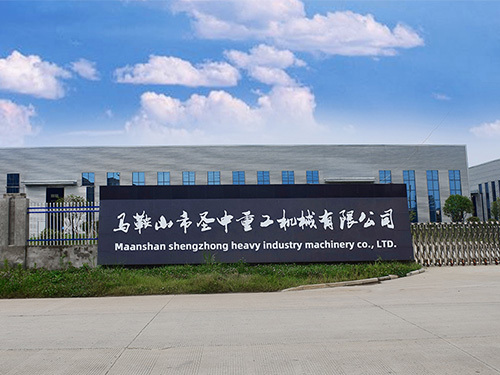
Maanshan shengzhong heavy industry machinery co.,Ltd.
Address: Bowang Economic Development Zone, Bowang New District, Ma'anshan City, Anhui Province
Tel: 0555-6765308
Mobile: +8615385558866
Mobile:
Address:
Bowang Economic Development Zone, Bowang New District, Ma'anshan City, Anhui Province