












The Ultimate Guide to Choosing the Right Plastic Crusher
Table of Contents
1. Introduction
2. Understanding the Basics of Plastic Crushers
3. Types of Plastic Crushers
3.1. Single Shaft Plastic Crusher
3.2. Double Shaft Plastic Crusher
3.3. Multi-Shaft Plastic Crusher
4. Factors to Consider When Choosing a Plastic Crusher
4.1. Material Compatibility
4.2. Throughput Capacity
4.3. Power and Energy Efficiency
4.4. Durability and Maintenance
4.5. Safety Features
4.6. Noise Level
4.7. Size and Space Requirements
4.8. Cost and Budget Considerations
5. Frequently Asked Questions (FAQs)
5.1. What is the purpose of a plastic crusher?
5.2. How does a plastic crusher work?
5.3. Can a plastic crusher handle different types of plastic?
5.4. What safety precautions should be taken when operating a plastic crusher?
5.5. How often should a plastic crusher be maintained?
6. Conclusion
1. Introduction
Welcome to the ultimate guide on choosing the right plastic crusher for your industrial needs. Investing in a high-quality plastic crusher is crucial for efficient plastic recycling and waste management. In this guide, we will explore the various types of plastic crushers available, key factors to consider during the selection process, and answer frequently asked questions to provide you with a comprehensive understanding of this essential equipment.
2. Understanding the Basics of Plastic Crushers
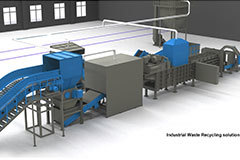
Before delving into the selection process, it is important to have a clear understanding of plastic crushers and their functionality. Plastic crushers are powerful machines designed to break down plastic waste into smaller particles, facilitating easy recycling and processing. These crushers come in different types, each designed for specific applications and materials.
3. Types of Plastic Crushers
3.1. Single Shaft Plastic Crusher
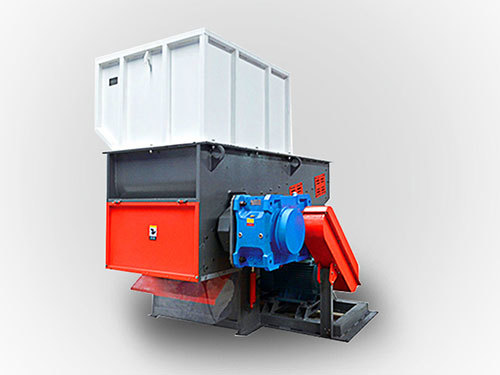
The single shaft plastic crusher operates with a single rotating shaft fitted with sharp blades. This type of crusher is ideal for processing plastic bottles, containers, and other rigid plastic materials.
3.2. Double Shaft Plastic Crusher
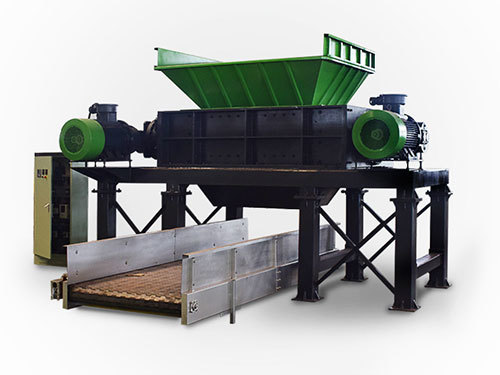
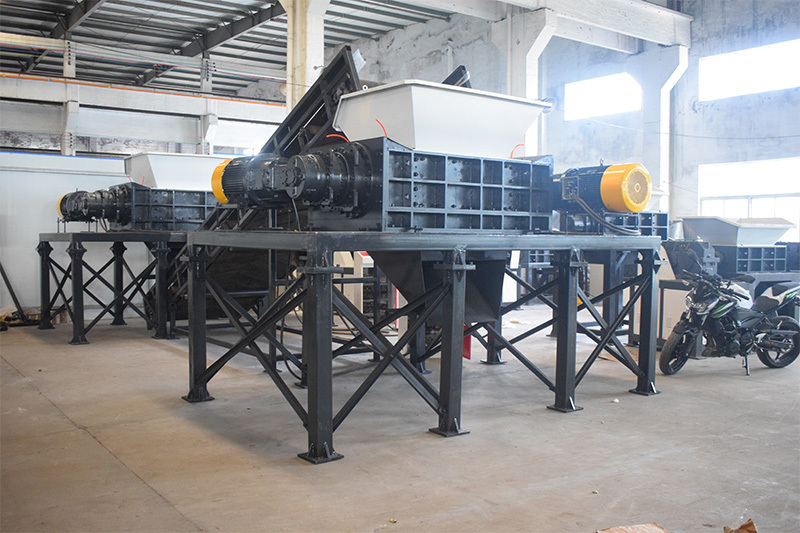
As the name suggests, the double shaft plastic crusher features two rotating shafts with interlocking blades. This design allows for efficient shredding of plastic materials, including bulky and heavy-duty items.
3.3. Multi-Shaft Plastic Crusher
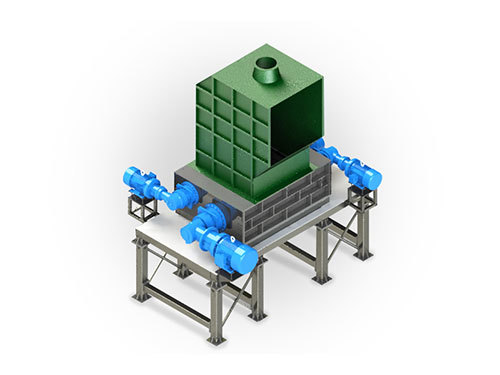
The multi-shaft plastic crusher is a versatile machine equipped with multiple rotating shafts and blades. This crusher is capable of processing a wide range of plastic materials, from soft and flexible to rigid and tough.
4. Factors to Consider When Choosing a Plastic Crusher
When selecting a plastic crusher, several factors should be taken into account to ensure the machine meets your specific requirements. Consider the following factors during the decision-making process:
4.1. Material Compatibility
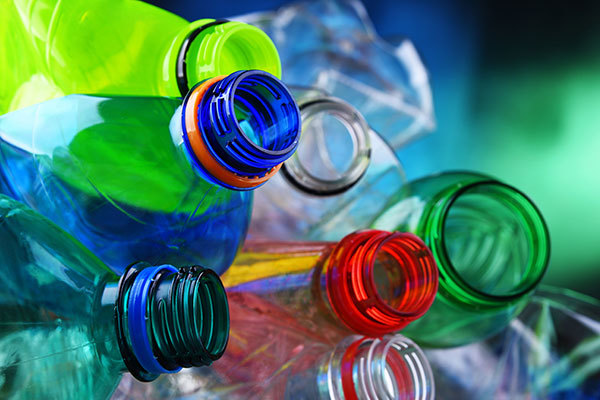
Ensure that the plastic crusher you choose is compatible with the type of plastic waste you intend to process. Different crushers are designed for specific materials, such as PET bottles, HDPE containers, or PVC pipes.
4.2. Throughput Capacity
Consider the desired throughput capacity of the plastic crusher. This refers to the amount of plastic waste the machine can handle within a given time frame. Choose a crusher with a capacity that matches your production needs to maintain efficiency.
4.3. Power and Energy Efficiency
Opt for a plastic crusher that offers optimal power and energy efficiency. Higher power ensures better performance, while energy efficiency reduces operational costs and environmental impact.
4.4. Durability and Maintenance
Choose a plastic crusher made from high-quality materials that can withstand heavy-duty usage. Additionally, consider the ease of maintenance, including access to internal components for cleaning and repairs.
4.5. Safety Features
Prioritize safety when selecting a plastic crusher. Look for features such as emergency stop buttons, safety locks, and protective covers to prevent accidents and ensure operator well-being.
4.6. Noise Level
Consider the noise level produced by the plastic crusher. Some crushers are equipped with noise reduction features, which are particularly beneficial in noise-sensitive environments.
4.7. Size and Space Requirements
Evaluate the available space in your facility and choose a plastic crusher that fits within the allocated area. Consider the crusher's dimensions, including height, width, and depth, to ensure a proper fit.
4.8. Cost and Budget Considerations
Consider your budget and establish a cost range for the plastic crusher. Compare prices, features, and warranties from different manufacturers to find the best value for your investment.
5. Frequently Asked Questions (FAQs)
5.1. What is the purpose of a plastic crusher?
A plastic crusher is used to break down plastic waste into smaller particles for recycling and processing purposes. It helps reduce plastic waste volume, making it easier to transport and reuse.
5.2. How does a plastic crusher work?
A plastic crusher utilizes rotating blades to cut and shred plastic materials. The waste is fed into the crusher's hopper, where it is crushed into smaller pieces. The crushed plastic can then be processed further for recycling or other applications.
5.3. Can a plastic crusher handle different types of plastic?
The suitability of a plastic crusher for different types of plastic depends on its design and specifications. Some crushers are designed for specific plastic materials, while others can handle various types of plastics. Ensure the chosen crusher is compatible with the plastics you intend to process.
5.4. What safety precautions should be taken when operating a plastic crusher?
When operating a plastic crusher, it is essential to follow safety guidelines. Operators should wear protective gear, such as gloves and safety glasses. Additionally, ensure the crusher is properly maintained and avoid reaching into the machine while it is in operation.
5.5. How often should a plastic crusher be maintained?
Regular maintenance is crucial to ensure the optimal performance and longevity of a plastic crusher. Follow the manufacturer's recommendations for maintenance intervals, and conduct routine inspections to identify any issues or signs of wear.
6. Conclusion
Choosing the right plastic crusher is a critical decision for businesses involved in plastic recycling and waste management. By considering factors such as material compatibility, throughput capacity, power efficiency, and safety features, you can select a crusher that meets your specific needs. Remember to prioritize durability, maintenance requirements, and budget considerations to make the best investment for your operations. With this guide, you are now equipped with the knowledge to choose the perfect plastic crusher for your industrial needs.
1. Introduction
2. Understanding the Basics of Plastic Crushers
3. Types of Plastic Crushers
3.1. Single Shaft Plastic Crusher
3.2. Double Shaft Plastic Crusher
3.3. Multi-Shaft Plastic Crusher
4. Factors to Consider When Choosing a Plastic Crusher
4.1. Material Compatibility
4.2. Throughput Capacity
4.3. Power and Energy Efficiency
4.4. Durability and Maintenance
4.5. Safety Features
4.6. Noise Level
4.7. Size and Space Requirements
4.8. Cost and Budget Considerations
5. Frequently Asked Questions (FAQs)
5.1. What is the purpose of a plastic crusher?
5.2. How does a plastic crusher work?
5.3. Can a plastic crusher handle different types of plastic?
5.4. What safety precautions should be taken when operating a plastic crusher?
5.5. How often should a plastic crusher be maintained?
6. Conclusion
1. Introduction
Welcome to the ultimate guide on choosing the right plastic crusher for your industrial needs. Investing in a high-quality plastic crusher is crucial for efficient plastic recycling and waste management. In this guide, we will explore the various types of plastic crushers available, key factors to consider during the selection process, and answer frequently asked questions to provide you with a comprehensive understanding of this essential equipment.
2. Understanding the Basics of Plastic Crushers
Before delving into the selection process, it is important to have a clear understanding of plastic crushers and their functionality. Plastic crushers are powerful machines designed to break down plastic waste into smaller particles, facilitating easy recycling and processing. These crushers come in different types, each designed for specific applications and materials.
3. Types of Plastic Crushers
3.1. Single Shaft Plastic Crusher
The single shaft plastic crusher operates with a single rotating shaft fitted with sharp blades. This type of crusher is ideal for processing plastic bottles, containers, and other rigid plastic materials.
3.2. Double Shaft Plastic Crusher
As the name suggests, the double shaft plastic crusher features two rotating shafts with interlocking blades. This design allows for efficient shredding of plastic materials, including bulky and heavy-duty items.
3.3. Multi-Shaft Plastic Crusher
The multi-shaft plastic crusher is a versatile machine equipped with multiple rotating shafts and blades. This crusher is capable of processing a wide range of plastic materials, from soft and flexible to rigid and tough.
4. Factors to Consider When Choosing a Plastic Crusher
When selecting a plastic crusher, several factors should be taken into account to ensure the machine meets your specific requirements. Consider the following factors during the decision-making process:
4.1. Material Compatibility
Ensure that the plastic crusher you choose is compatible with the type of plastic waste you intend to process. Different crushers are designed for specific materials, such as PET bottles, HDPE containers, or PVC pipes.
4.2. Throughput Capacity
Consider the desired throughput capacity of the plastic crusher. This refers to the amount of plastic waste the machine can handle within a given time frame. Choose a crusher with a capacity that matches your production needs to maintain efficiency.
4.3. Power and Energy Efficiency
Opt for a plastic crusher that offers optimal power and energy efficiency. Higher power ensures better performance, while energy efficiency reduces operational costs and environmental impact.
4.4. Durability and Maintenance
Choose a plastic crusher made from high-quality materials that can withstand heavy-duty usage. Additionally, consider the ease of maintenance, including access to internal components for cleaning and repairs.
4.5. Safety Features
Prioritize safety when selecting a plastic crusher. Look for features such as emergency stop buttons, safety locks, and protective covers to prevent accidents and ensure operator well-being.
4.6. Noise Level
Consider the noise level produced by the plastic crusher. Some crushers are equipped with noise reduction features, which are particularly beneficial in noise-sensitive environments.
4.7. Size and Space Requirements
Evaluate the available space in your facility and choose a plastic crusher that fits within the allocated area. Consider the crusher's dimensions, including height, width, and depth, to ensure a proper fit.
4.8. Cost and Budget Considerations
Consider your budget and establish a cost range for the plastic crusher. Compare prices, features, and warranties from different manufacturers to find the best value for your investment.
5. Frequently Asked Questions (FAQs)
5.1. What is the purpose of a plastic crusher?
A plastic crusher is used to break down plastic waste into smaller particles for recycling and processing purposes. It helps reduce plastic waste volume, making it easier to transport and reuse.
5.2. How does a plastic crusher work?
A plastic crusher utilizes rotating blades to cut and shred plastic materials. The waste is fed into the crusher's hopper, where it is crushed into smaller pieces. The crushed plastic can then be processed further for recycling or other applications.
5.3. Can a plastic crusher handle different types of plastic?
The suitability of a plastic crusher for different types of plastic depends on its design and specifications. Some crushers are designed for specific plastic materials, while others can handle various types of plastics. Ensure the chosen crusher is compatible with the plastics you intend to process.
5.4. What safety precautions should be taken when operating a plastic crusher?
When operating a plastic crusher, it is essential to follow safety guidelines. Operators should wear protective gear, such as gloves and safety glasses. Additionally, ensure the crusher is properly maintained and avoid reaching into the machine while it is in operation.
5.5. How often should a plastic crusher be maintained?
Regular maintenance is crucial to ensure the optimal performance and longevity of a plastic crusher. Follow the manufacturer's recommendations for maintenance intervals, and conduct routine inspections to identify any issues or signs of wear.
6. Conclusion
Choosing the right plastic crusher is a critical decision for businesses involved in plastic recycling and waste management. By considering factors such as material compatibility, throughput capacity, power efficiency, and safety features, you can select a crusher that meets your specific needs. Remember to prioritize durability, maintenance requirements, and budget considerations to make the best investment for your operations. With this guide, you are now equipped with the knowledge to choose the perfect plastic crusher for your industrial needs.
plastic crusher
News
Center
Contact us
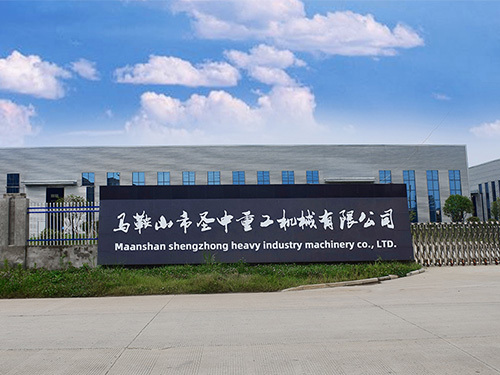
Maanshan shengzhong heavy industry machinery co.,Ltd.
Address: Bowang Economic Development Zone, Bowang New District, Ma'anshan City, Anhui Province
Tel: 0555-6765308
Mobile: +8615385558866
Mobile:
Address:
Bowang Economic Development Zone, Bowang New District, Ma'anshan City, Anhui Province